Education
"We don't rush childhood": stress-free learning, emotional security & multilingualism
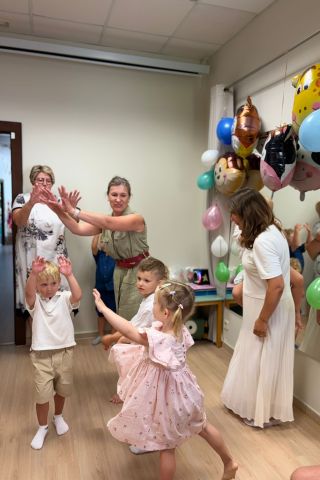
Our first interview with Olga Duke, Director of Happy Dom, attracted remarkable interest, receiving more than 4,000 views. We continue our conversation about an educational philosophy built on one fundamental belief: "A child's brain can only learn where it feels safe. Everything else is survival, not development." This time, we take a closer look at the principles of stress-free learning: how Happy Dom's multilingual environment works, why we believe in not rushing childhood, and how a gentle adaptation process together with intrinsic motivation leads to meaningful, lasting learning.
Why did you decide to create Happy Dom as a space for "stress-free learning," and what does this concept really mean?
Because we noticed something very simple—yet often overlooked: children don't truly learn when they are under pressure. They may memorise facts, repeat information, or even achieve good results, but that doesn't necessarily mean they have developed a deep understanding. We wanted to create an environment where learning happens naturally, without pressure or unrealistic expectations. A place where languages are not taught as isolated subjects but become part of everyday life. We firmly believe that a child's brain learns only when it feels safe. Everything else is survival, not development. That is why, at Happy Dom, emotional well-being, trust, and respect for each child's individual pace always come first. Only when children feel safe, heard, and accepted can they fully develop their curiosity, creativity, and natural desire to learn.
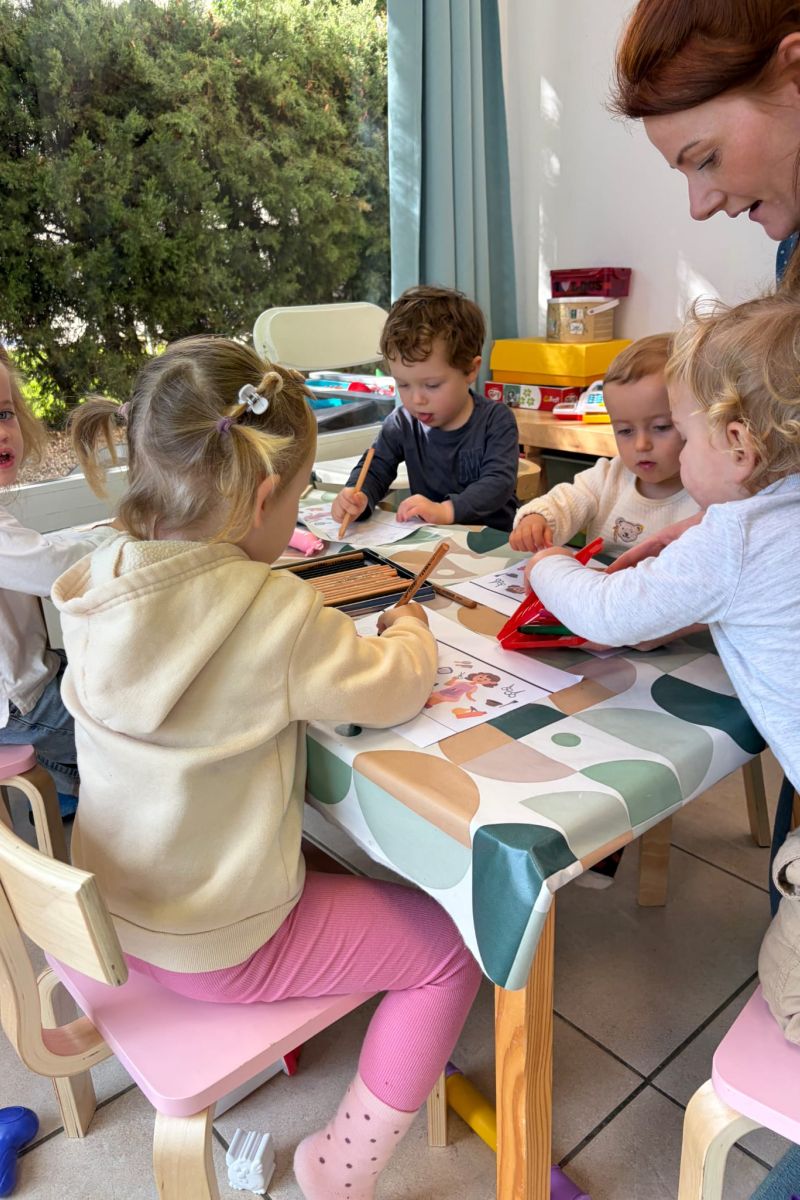
When fear disappears, curiosity begins to grow. And with curiosity comes real learning.
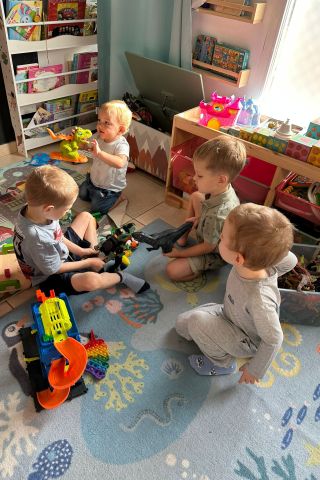
When we speak about a "stress-free" environment, we do not mean the absence of rules or boundaries. We mean predictability, respect for each child's individual pace, and emotional security. At Happy Dom, children are never afraid of making mistakes or pressured to be "faster, better, or more advanced." Instead, they grow in a space where they can explore, make mistakes, observe, reflect, and participate at their own pace.
Why did you choose to create a multilingual environment, and what makes the adaptation process at Happy Dom so unique?
We chose a multilingual environment because we believe that language is not a subject—it's a tool for life. Children have an extraordinary ability to absorb multiple languages when they grow up in a warm, engaging, and nurturing environment. For us, language should never be associated with fear or pressure. It should be a natural part of a child's everyday life, as familiar as playing, exploring, or communicating with the people around them. That is why languages are woven naturally into everyday life at Happy Dom. Children hear them, associate them with positive experiences, and acquire them organically—without pressure, drills, or forced learning.
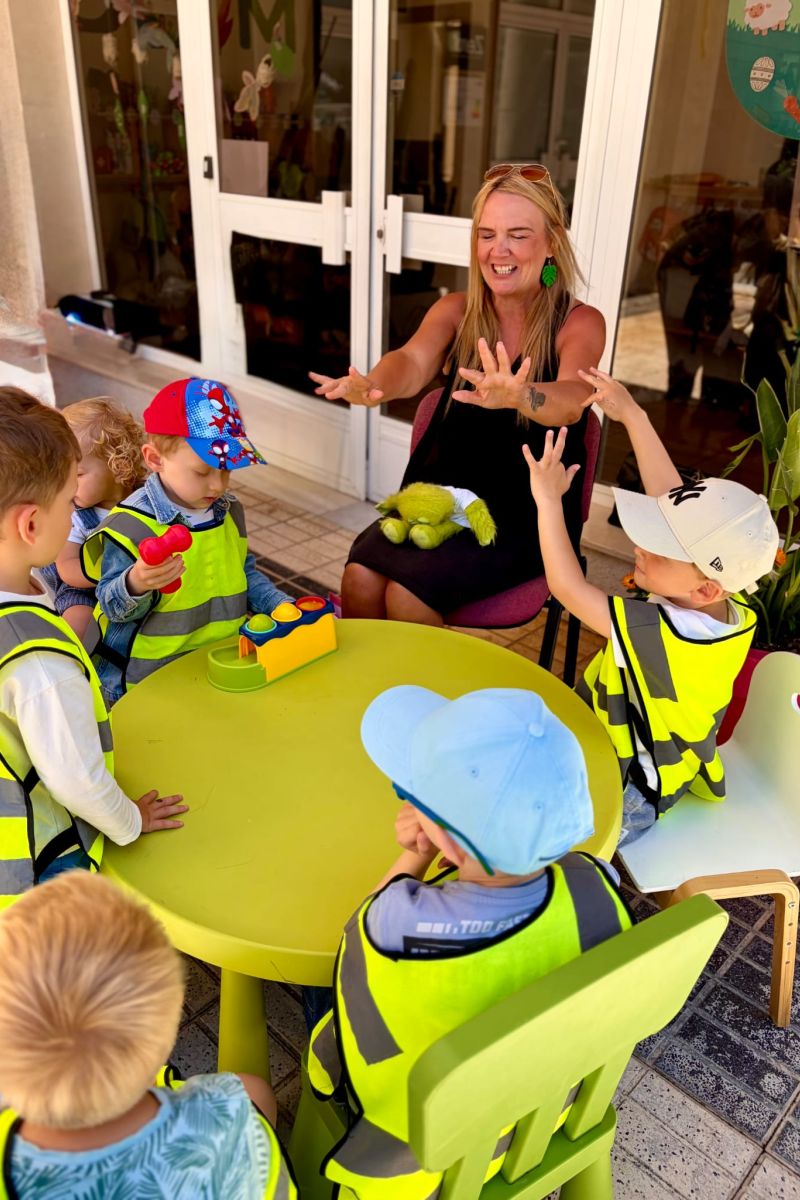
Learning without fear is not a method. It is a fundamental condition for human development.
When it comes to the adaptation process, we do not expect children to adapt to the system from day one. We believe it should be the other way around: first, we adapt to the child. A respectful transition means that children do not lose their emotional or physical sense of security. Parents are welcome to stay close for as long as needed, allowing the process to unfold gradually—without abrupt separations or unnecessary pressure.
We also believe that tears are not the only measure of a successful adaptation. What truly matters is whether children begin to engage in play, seek interaction with others, share their experiences when they return home, and feel safe with the adults who care for them.
How do you choose your teaching team, and why is this so important at Happy Dom?
For us, professional qualifications are essential. Every educator at Happy Dom holds a university degree and specialised training in education. We place great value on academic knowledge, a strong understanding of child psychology, awareness of children's developmental needs, and the ability to create a safe, respectful, and inspiring learning environment. We believe that working with young children requires far more than kindness and good intentions. It calls for knowledge, experience, and a deep understanding of how to support each child's development with professionalism, empathy, and care.
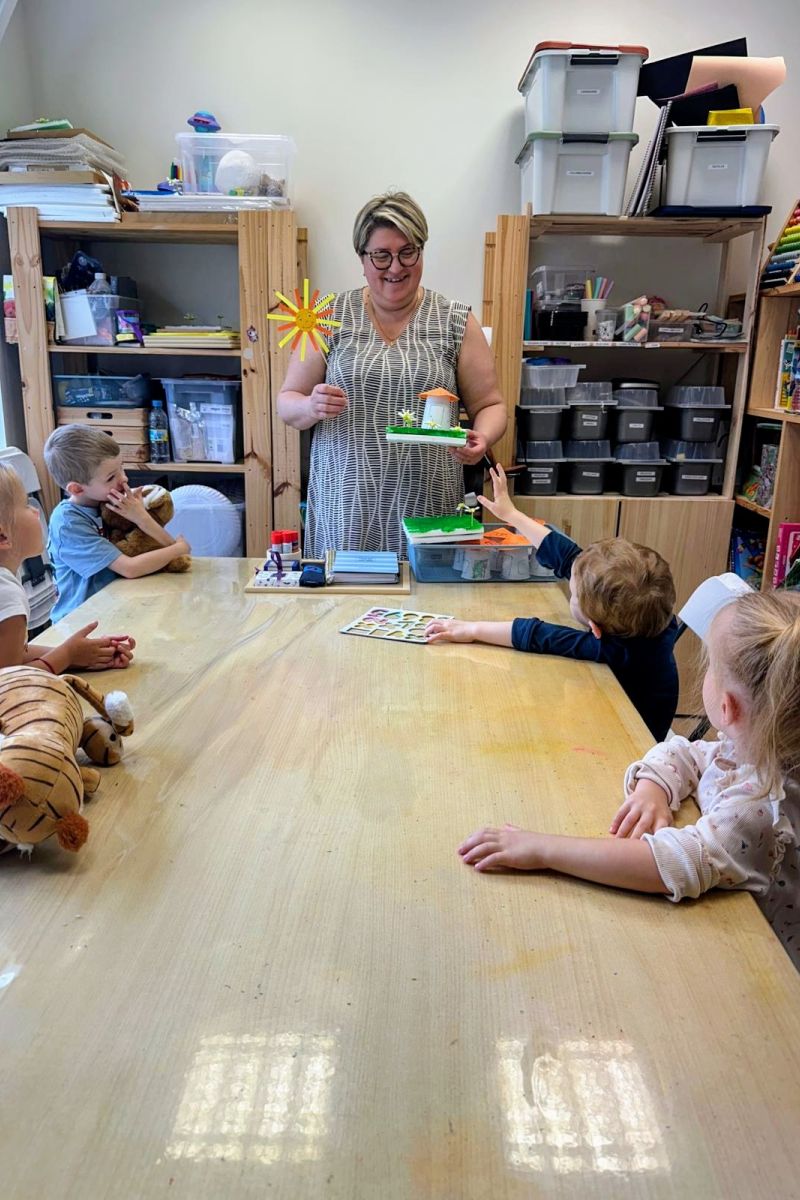
One of our core principles is finding people who truly share our values.
However, a great educator is defined by far more than qualifications or professional experience. It is someone who has chosen this profession out of genuine vocation. Someone who loves working with children not only in theory, but in every everyday interaction. Someone who teaches with both knowledge and heart. A great educator knows how to comfort, guide, and understand a child's emotions. They recognise each child's emotional state, respect their individual needs, and create an atmosphere of safety, trust, and well-being. We believe that children learn best when they feel seen, heard, and accepted. And creating that kind of environment requires more than expertise alone—it takes sensitivity, empathy, and a genuine passion for nurturing childhood.
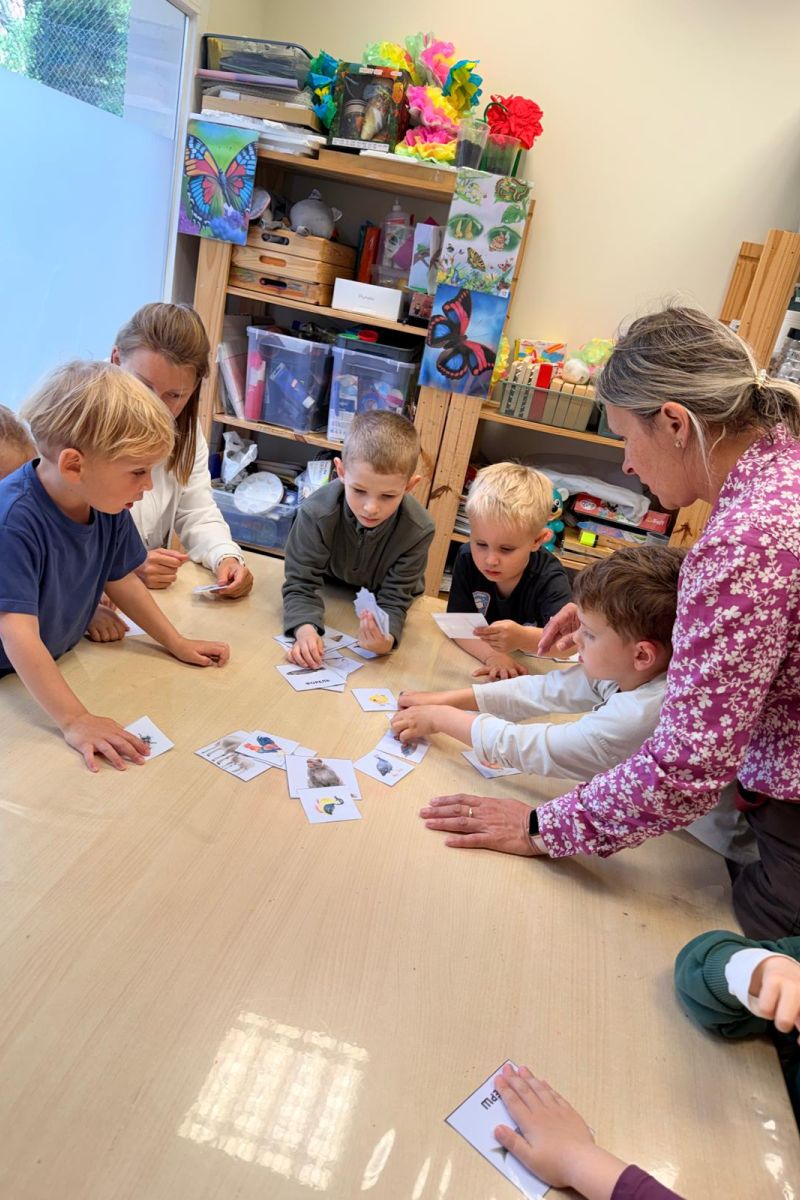
There is no true professionalism in working with children without humanity.
Another essential part of our philosophy is our international, multilingual environment. At Happy Dom, our language teachers are native speakers with specialised training and a genuine passion for working with children. Their role goes far beyond teaching a language—they build relationships, create trust, support children through play, and make communicating in another language feel natural, joyful, and emotionally safe.
There is another principle that is especially important to us: finding people who truly share our values. We invest a great deal of time and care in getting to know every new team member before welcoming them into Happy Dom. We are not simply looking for qualified professionals; we are looking for people who share our vision of childhood and the kind of environment we strive to create. That is why we never hire in a hurry or simply to fill a vacancy. We observe, talk, build trust, and only then invite someone to join our team. We believe that a strong team is built over time, through shared values, consistency, and mutual respect. Perhaps that is why staff turnover at Happy Dom is so low. Our educators are not just passing through. Every member of the team contributes not only their professional expertise but also an important part of the spirit and heart of Happy Dom.
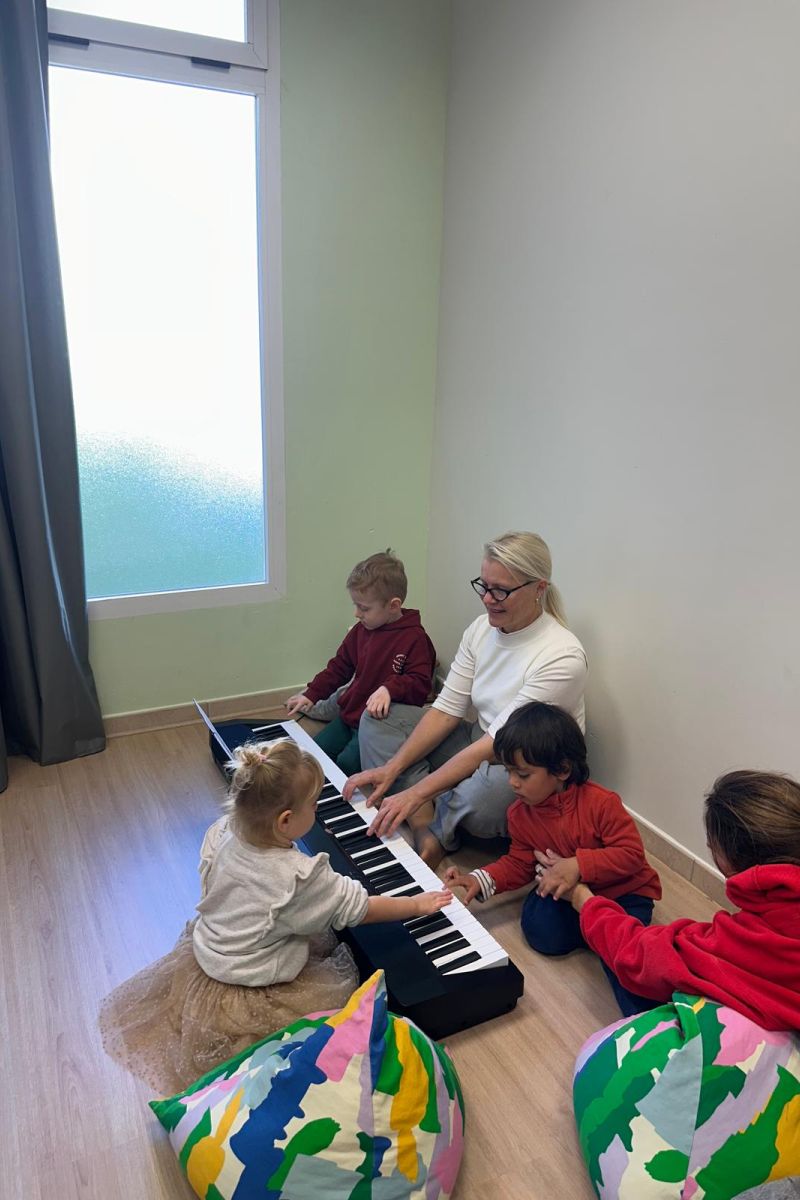
The ideal educator is a professional with a big heart, inner strength, and a deep respect for childhood.
We also avoid frequent changes of educators and teachers within our team, as constant staff rotation can create additional stress, insecurity, and make the adaptation process more difficult for children. For us, it is essential that every child is surrounded by familiar, trusted adults with whom they can build strong and lasting emotional bonds. We believe that emotional security grows through consistency, stable relationships, and the reassurance of knowing who will be there each day.
You often talk about "not rushing childhood." What does that mean in practice? How does it influence children's development and learning? And is it an approach that can benefit adults as well?
Today, many children are introduced very early to a world of expectations, rules, and constant achievement. They are expected to do more, learn faster, and reach milestones as quickly as possible. We have consciously chosen a different path. We believe children need time for play, imagination, curiosity, and unhurried growth. Because it is in this state that inner confidence, creativity, and a genuine love of learning begin to flourish. Childhood is not a race to be won. It is a unique stage of life that deserves to be lived fully. When children have the freedom to explore, play, and discover the world at their own pace, they develop a much deeper and more lasting motivation to learn. And the results do come—they simply emerge in a different way. Not through pressure, but through genuine interest and intrinsic motivation. Children begin to communicate, participate, express themselves, and learn because they want to, not because they are being forced to. In our experience, the most valuable outcome is not that a child reaches milestones earlier than others, but that they preserve their joy of learning and their curiosity about the world.
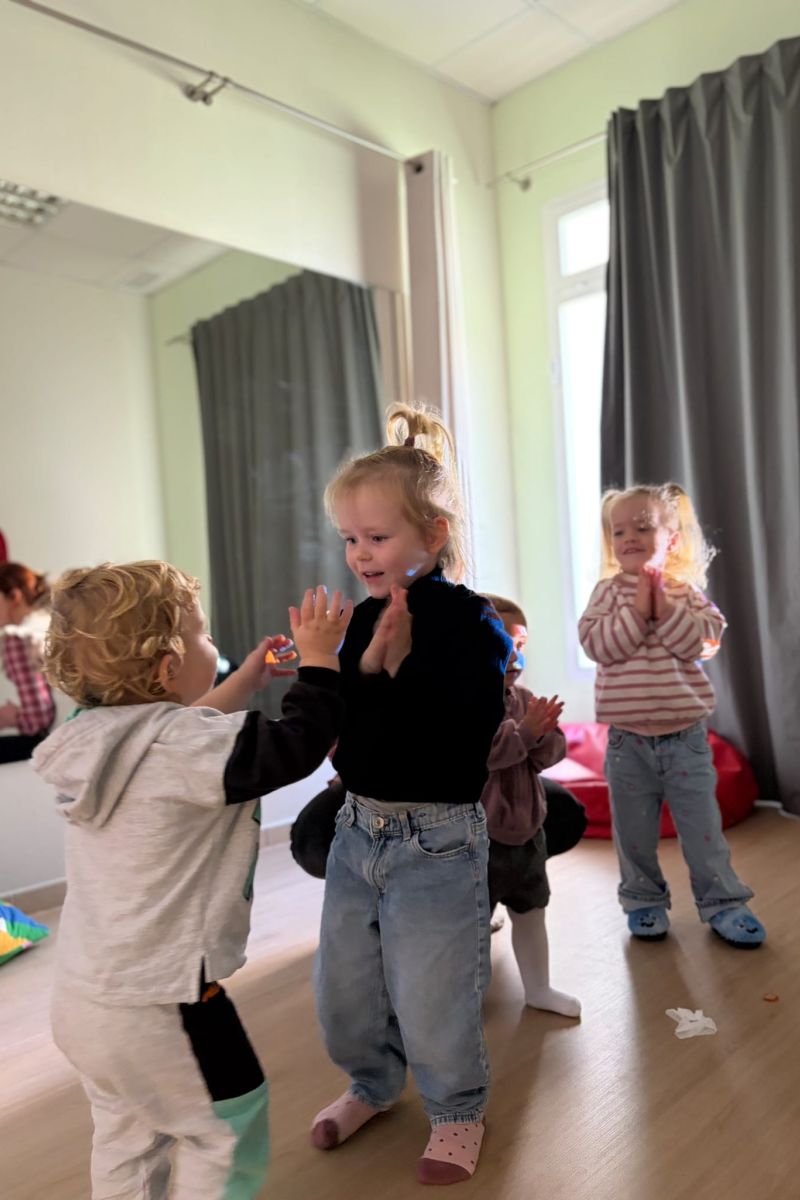
Adaptation is not about separation. It is the process of building trust.
The results are certainly there—they simply look different. They don't come through pressure, but through intrinsic motivation. Children begin to speak, understand, participate, and express themselves because they feel curious, interested, and confident—not because someone tells them they have to. For us, the most meaningful outcome is seeing a child who is excited to come back each day, feels happy in their environment, and genuinely wants to keep learning and discovering.
This approach is not only effective for children. An adult's brain also shuts down under stress and opens up when it feels safe. That is why we believe our philosophy goes far beyond early childhood education—it reflects the way people of all ages learn, grow, and thrive.
What is something you would never do in your work with children?
The first thing that comes to mind is punishment. In fact, at Happy Dom, the words "punishment" and "to punish" are rarely, if ever, used. We also do not use the well-known "thinking chair" or "time-out" approach, where children are separated from the group and left alone to reflect on their behaviour. We believe that emotional learning does not grow out of isolation or shame. When a child is overwhelmed by strong emotions or displays challenging behaviour, what they need most is a caring adult who helps them understand what they are feeling, name those emotions, and discover healthy ways to express them. Our goal is not to control behaviour from the outside, but to support children as they gradually develop self-understanding, emotional awareness, and the ability to regulate themselves from within.
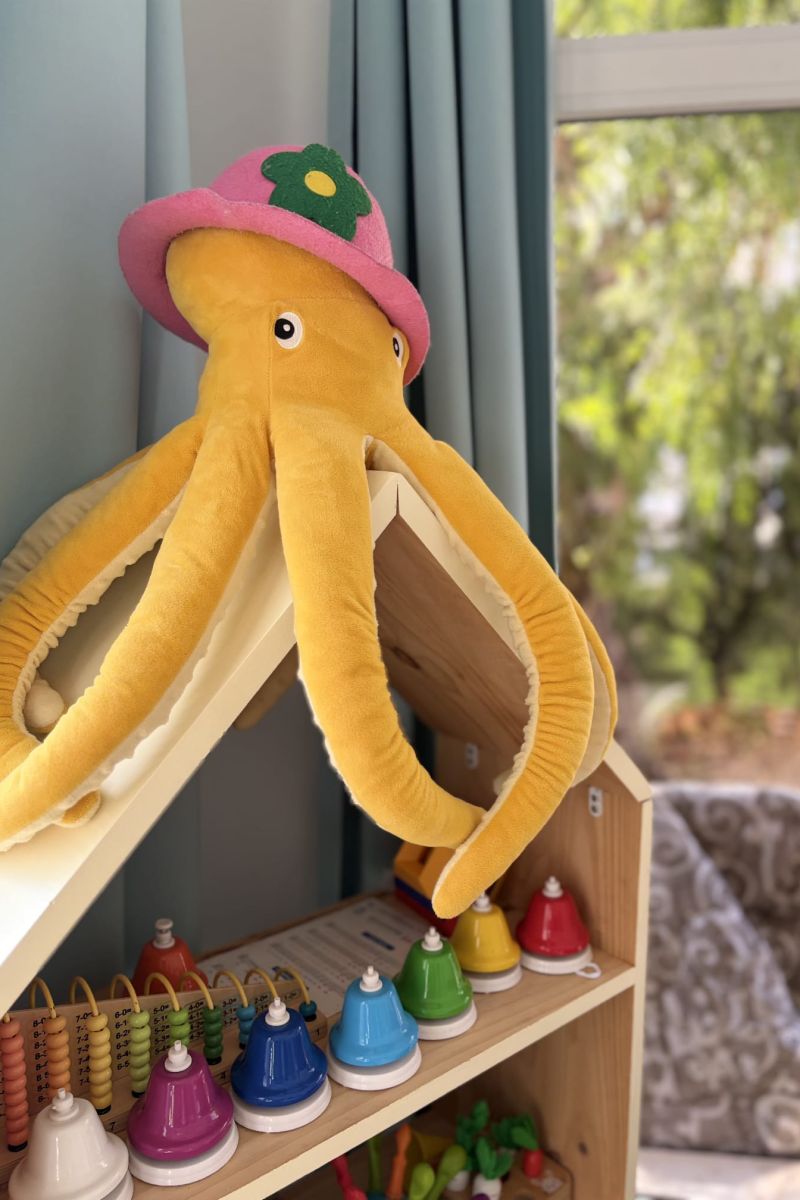
A child's emotions are not "tantrums" or "drama"—they are important signals that deserve to be heard.
However, it is important to understand that the absence of punishment does not mean the absence of boundaries. Children understand boundaries remarkably well when they are communicated calmly, consistently, and with respect.
At Happy Dom, we have clear rules, a well-structured daily routine, consistent expectations, and respectful guidance. What has no place here is fear, humiliation, isolation, or punishment as educational tools. We believe that children grow through connection, trust, and secure relationships with the adults around them.
How can parents tell whether their child genuinely feels happy and secure in a nursery?
The first step is to talk to your child—and truly believe what they have to say. Children notice far more than we often realise, and they have a great deal to share when they feel genuinely listened to. That is why it is helpful to go beyond questions that can be answered with a simple "yes" or "no" and encourage real conversations instead. Questions such as What was your favourite part of today?, Who did you play with?, What made you laugh?, What was the most interesting thing you did?, How was your day with the group?, or Which teacher spent time with you today? invite children to share their experiences and emotions more openly. It is also important not to jump to conclusions too quickly. Listen not only to your child's words, but also to their emotions, body language, and the way they talk about their day. Very often, the most meaningful signs are found in the little things: when children spontaneously tell you about their day, speak warmly about their teachers, look forward to going back, or simply begin each morning feeling calm, safe, and happy.
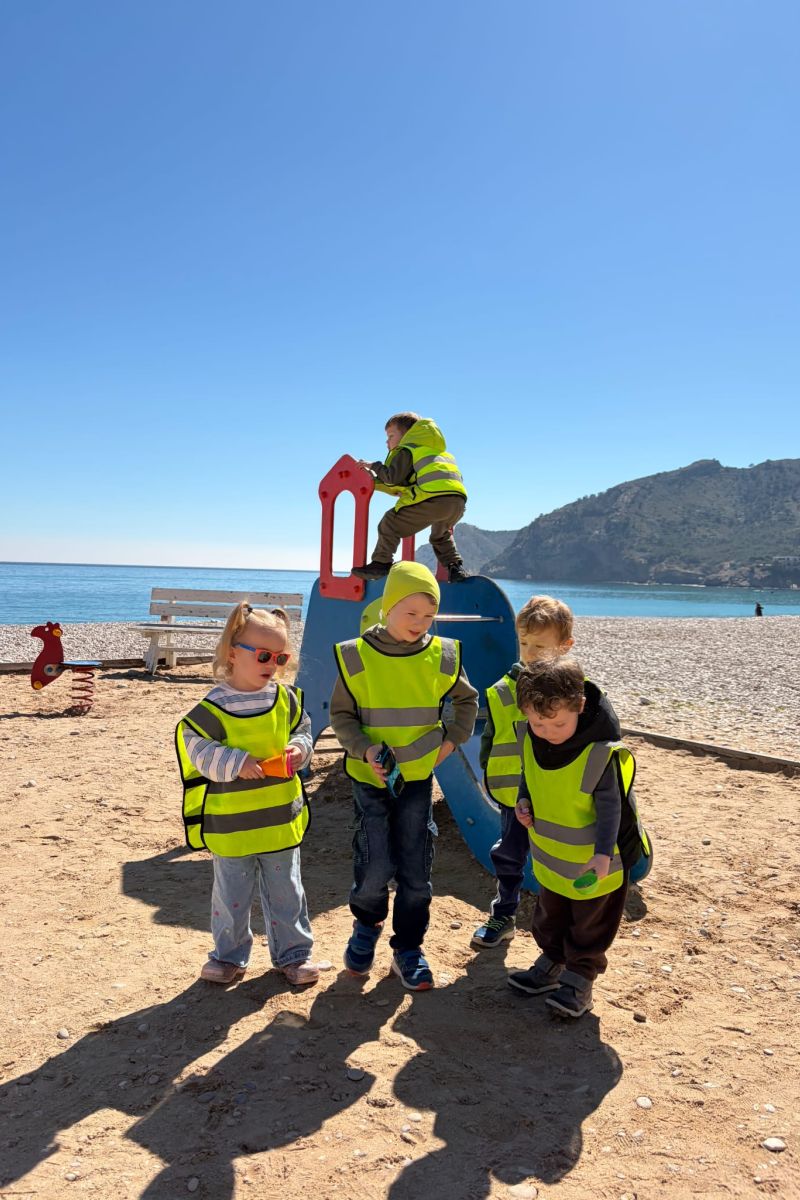
When adults acknowledge and accept a child's emotions, the transition becomes gentler and more peaceful.
Especially during the settling-in period, it is perfectly normal for children to cry, miss their mum or dad, or find it difficult to say goodbye in the morning. This is a natural part of the process. The goal is not to prevent these emotions but to help children understand and name them: "You miss Mum," "You're feeling sad because it's time to say goodbye," "You're feeling worried right now," or "This separation feels difficult."
When adults acknowledge children's emotions calmly and without judgement, they help them move through those feelings in a much healthier way. In fact, when children learn to cope with temporary separation and feelings of missing someone, they are also able to experience the genuine joy of being reunited at the end of the day much more deeply.
What are some of the most common mistakes adults make without even realising it?
One of the most common patterns we see is that adults unintentionally dismiss or minimise children's emotions. Instead of helping children understand what they are feeling, they often respond with phrases such as, "You're fine," "You're overreacting," "Don't cry," or "You're upset over nothing." But behind every behaviour there is always a need, an emotion, or an experience that deserves to be understood. A child may be tired, overstimulated, frightened, frustrated, going through a period of change, or simply in need of more support and emotional connection. That is why we believe it is so important to help children recognise and name their emotions: "Are you feeling sad?" "It seems that what happened really hurt your feelings." "Did that scare you?" "Are you angry because things didn't go the way you expected?" When we teach children to recognise their emotions, we give them a skill that will stay with them for life. Trusting our children and validating their feelings helps them develop a deeper understanding of themselves, their reactions, and healthy ways to manage their emotions.
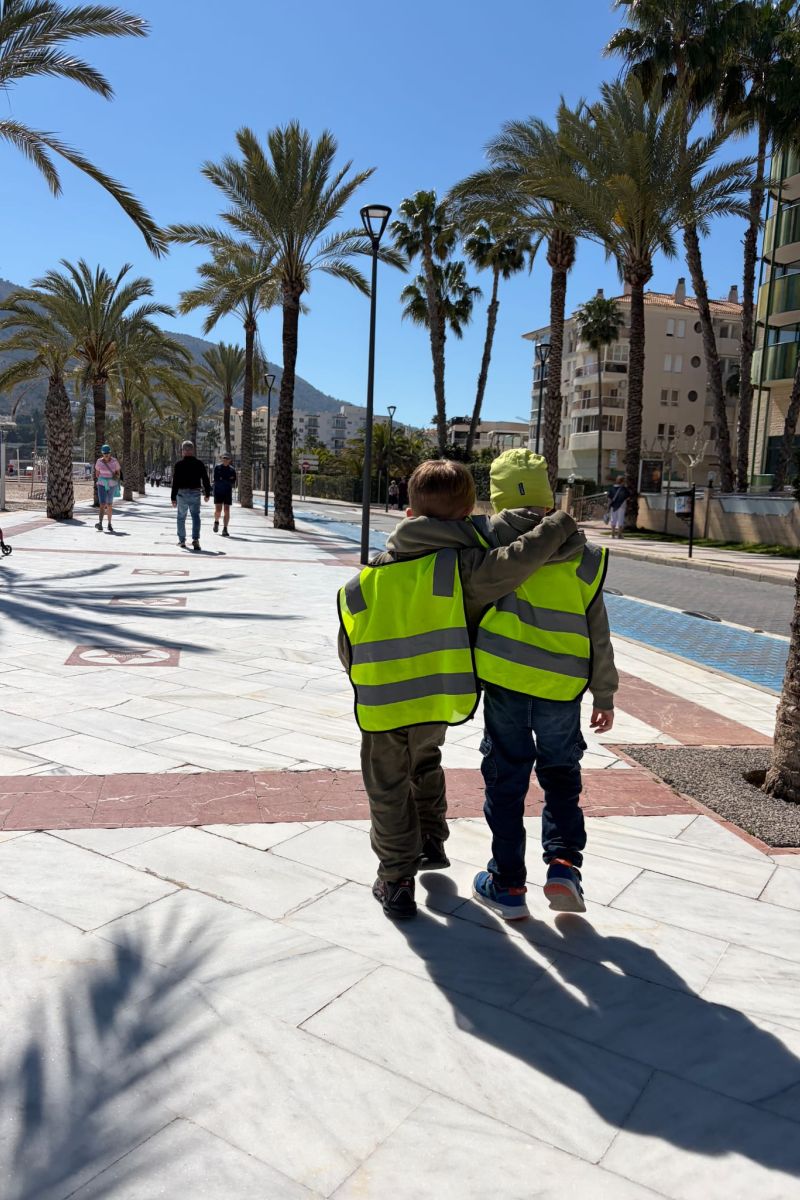
We believe that children thrive not through fear, but through support and trust.
Another common mistake is expecting children to demonstrate skills that their emotional and neurological development is simply not yet ready for—such as immediate self-control, consistently "convenient" behaviour, constant obedience, or the ability to manage intense emotions entirely on their own.
Adults also sometimes compare children with one another, shame them for expressing their emotions, confuse discipline with rigidity, or try to correct behaviour without asking what lies behind it. What children need most is an adult who can stay with them through difficult emotions, help them understand what they are feeling, give those feelings a name, and remain emotionally present even in challenging moments. We believe that true education is not about eliminating uncomfortable emotions, but about teaching children how to live with them in a healthy and safe way.
Why is the word "Dom" so important to your project, and how does it shape the atmosphere you create for children?
Because Dom means home. From the very beginning, Happy Dom was never intended to be just an educational setting or a place where children are looked after. At its heart are family values, calm, respect for childhood, emotional security, and the belief that every child deserves a place where they feel protected, understood, and supported. Happy Dom was never designed to be a conventional nursery or preschool. We sometimes affectionately call it "the anti-nursery/ the anti-preschool" because we consciously choose a different approach.
Mass education, one-size-fits-all expectations, constant noise, rushing, pressure to achieve, or the idea that every child should behave in exactly the same way have no place in our philosophy. Instead, we believe in respecting each child's unique personality, honouring individual developmental rhythms, and protecting the rich inner world of childhood. We believe in calm, welcoming spaces, genuine relationships, emotional stability, kindness, respect for children's feelings, gentle socialisation, and a childhood that never needs to be rushed. Because, for us, home is not simply a place. It is a feeling. It is the place where a child knows they are safe, accepted, and loved exactly as they are.
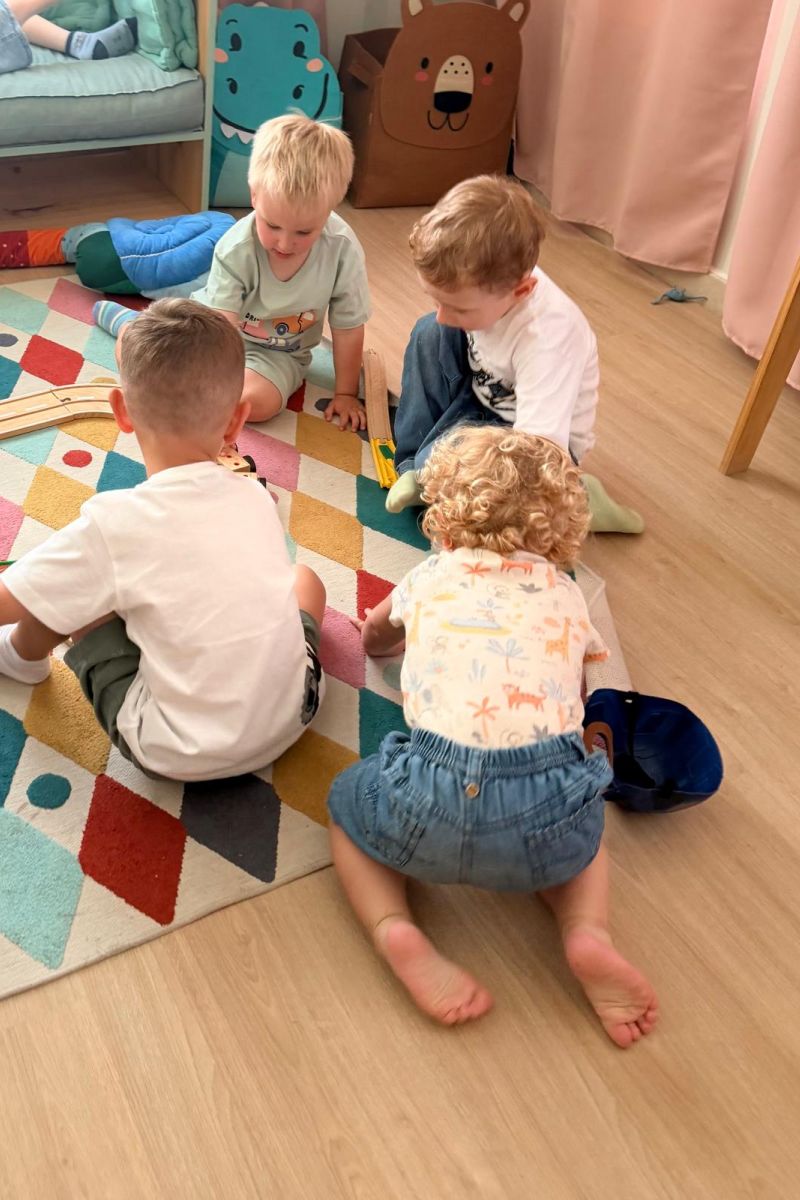
At Happy Dom, we create a space where every child is free to be themselves and learn at their own pace.
For us, the word Dom means far more than a physical place. It is a feeling. It is the place where children feel calm, heard, and accepted. A place where they are not afraid to make mistakes, where they can cry, laugh, miss their mum or dad, feel excited, become frustrated, or express any emotion without ever doubting that they are loved and supported.
We firmly believe that it is within an emotionally safe environment that healthy personalities, emotional intelligence, and the ability to trust both the world and themselves begin to grow. We want children to grow up not under constant pressure or unrealistic expectations, but with the inner confidence that says: "I am enough just as I am." "The world is a safe place." "I matter." "I am loved and accepted." Perhaps that is why the word Dom has always captured the true essence of our project better than any other.
Follow Happy Dom and discover more of Olga Duke's educational projects on Instagram: @olgaduke_