Education
Multilingualism without pressure: a pedagogical approach based on respect
When we talk about early language learning, the conversation often shifts too quickly toward efficiency: how many words per minute, what level by age four, is the child keeping up with the program? But in chasing these benchmarks, we risk losing sight of the most important part of the process — the child. Their emotional state, their rhythm, their right to feel safe and steady in the world.
To learn is, first and foremost, to trust
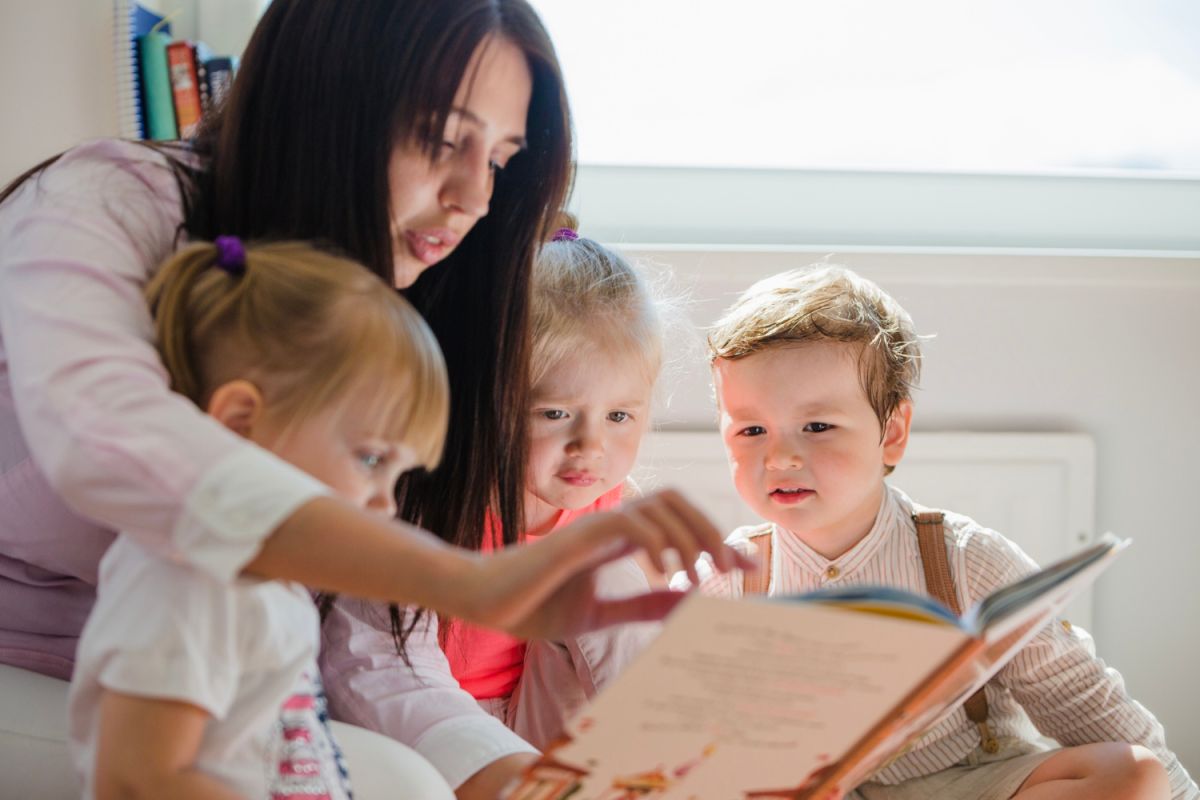
Modern pedagogy is steadily moving away from the idea of “pouring” knowledge into children. Today, it’s turning toward them — face to face. Neuroscientists like Jo Boaler and Mary Helen Immordino-Yang emphasize that emotional wellbeing doesn’t just influence learning — it forms its foundation. When a child feels calm, seen, and respected, the brain regions responsible for memory, attention, and reasoning naturally light up.
But what happens when learning is driven by pressure, expectations, or fear of making mistakes? The language environment becomes a source of stress. In that space, knowledge turns into disconnected “facts” rather than a living tool for connection.
So the real question isn’t how many languages a child will learn — it’s what imprint the process will leave on their sense of self.
Language without pressure: from philosophy to practice
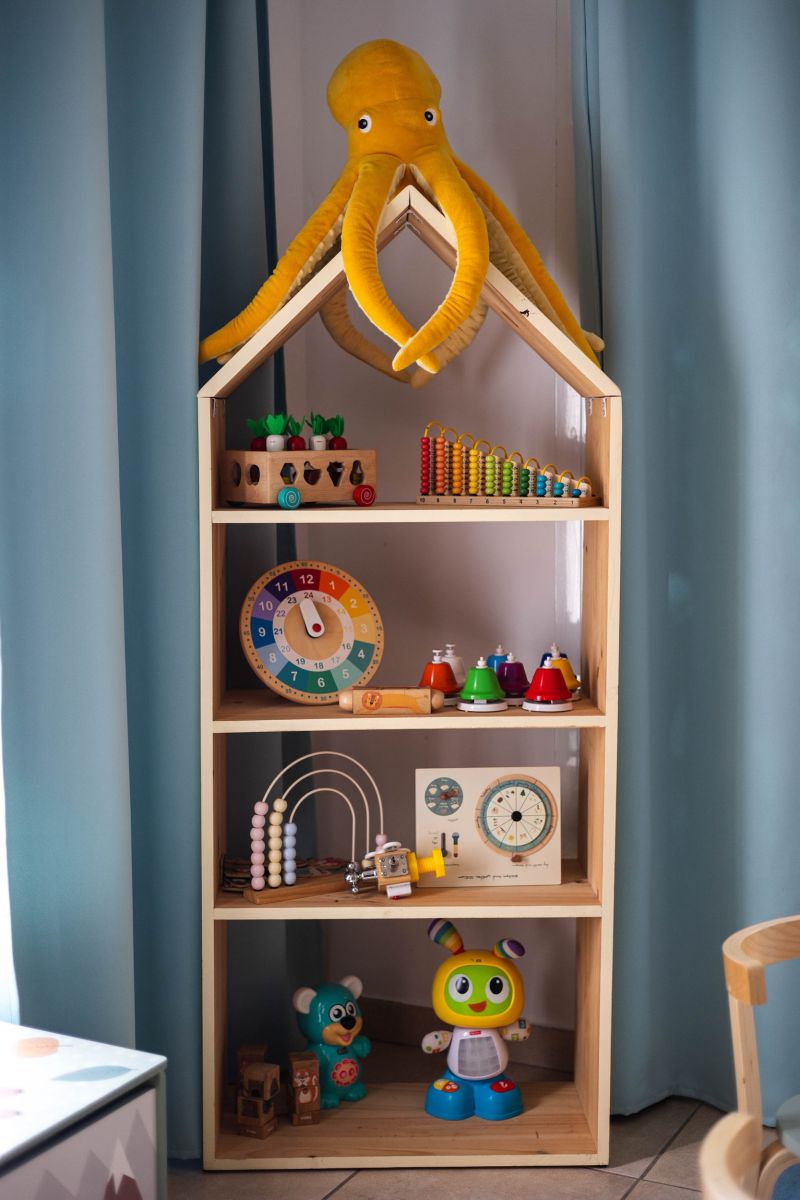
The idea of a respectful, non-judgmental approach to multilingualism isn’t some abstract ideal — it’s a conscious, practical choice. It’s the choice made by Happy Dom, a multilingual children’s center based in Albir.
Here, language isn’t imposed on the child or used to shape them into something they’re not — it’s used to help them unfold. At Happy Dom, languages aren’t demanded; they’re offered as an invitation to connect. Learning is built around emotional rhythm, psychological nuance, and the individual pace of each child.
Emotions aren’t obstacles — they’re anchors
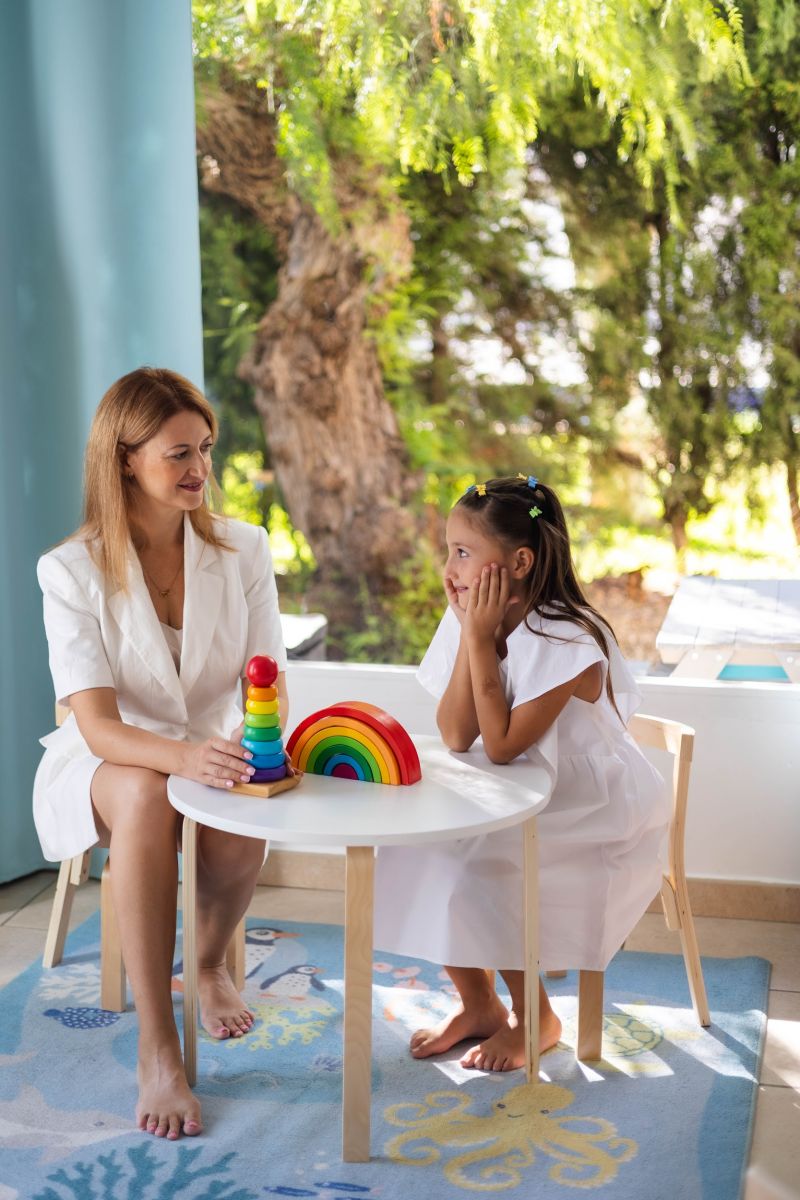
At Happy Dom, the belief is clear:
“When a child feels emotionally safe and trusted, learning happens faster, deeper, and more effectively. Emotional wellbeing isn’t a side note to education — it’s the foundation.”
— Olga Duke, Director of Happy Dom
Here, the language environment never overshadows the child’s identity. Quite the opposite — it’s carefully built around the child, with intention, empathy, and attunement to their emotional world.
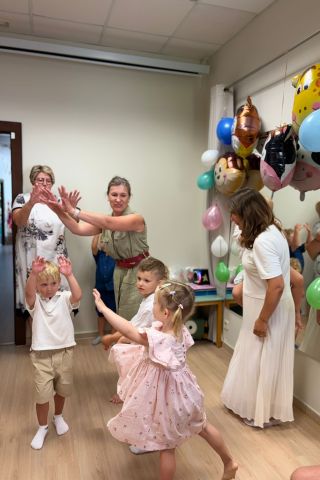
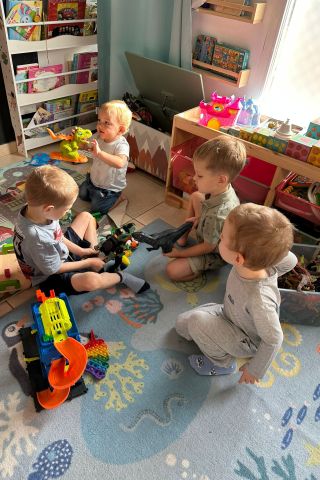
Children at Happy Dom learn English and Spanish the way they learn their first language — through meaning, curiosity, and human connection. There are no rigid frameworks or forced targets. Learning unfolds naturally, through interest and joy — not performance.
The native language as emotional ground
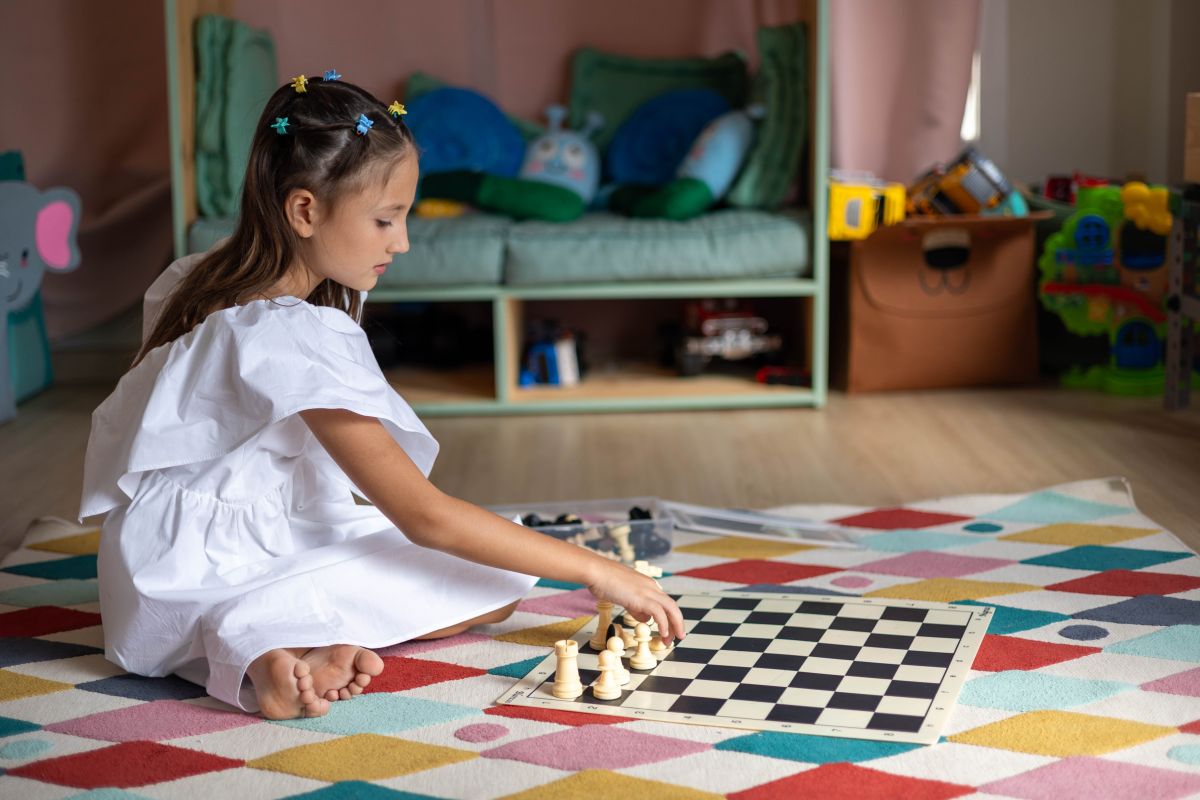
Contrary to a common myth, Happy Dom never forbids a child’s native language. In fact, it’s seen as an essential emotional space — a place where the child can express feelings, process challenges, and find inner stability.
“It’s vital for a child to have the freedom to feel, cry, and self-soothe in their mother tongue — it’s a core need that provides grounding and emotional safety.”
This approach isn’t just rooted in intuition — it’s backed by research. Bilingual children who are supported in their native language tend to acquire additional languages more easily. Why? Because their identity feels intact and respected.
Special care for children on the autism spectrum
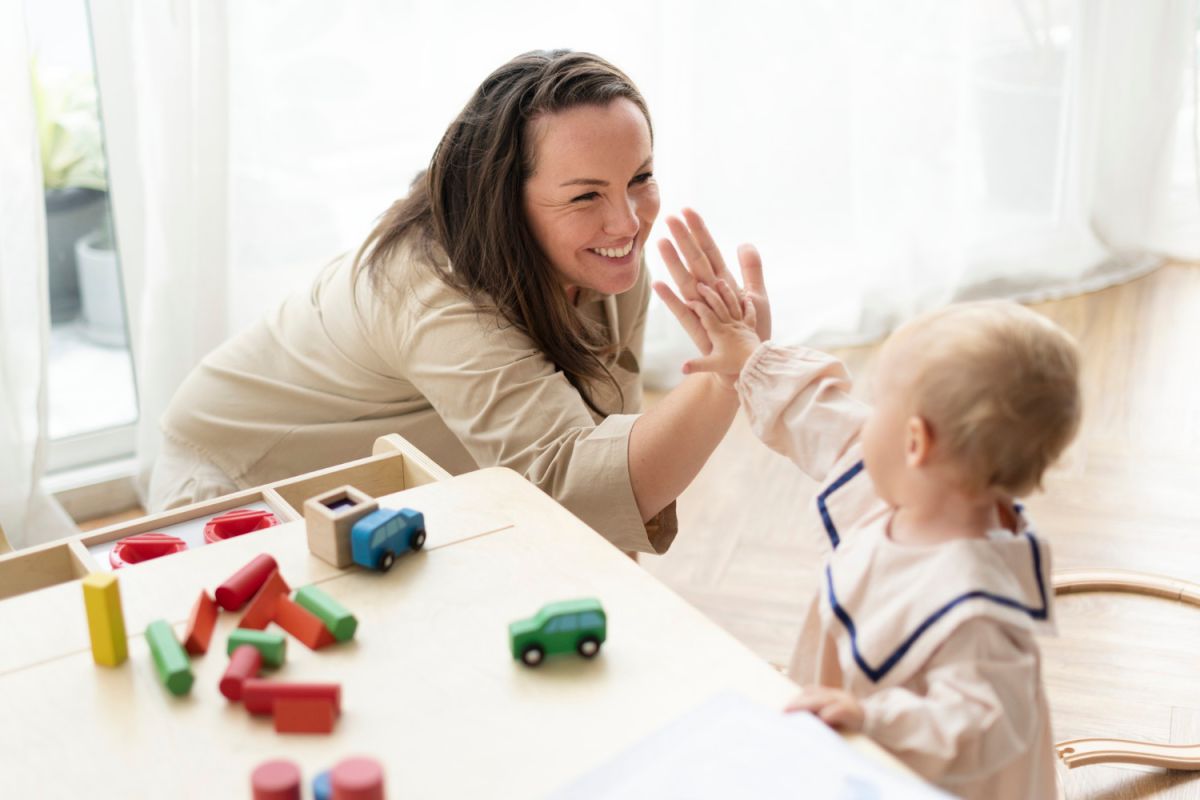
Happy Dom isn’t just a language center — it’s a place where children are truly seen and heard. Special attention is given to children on the autism spectrum, with qualified therapists and experienced specialists providing support that’s thoughtful, consistent, and deeply informed.
The team includes Ukrainian-, Russian-, Spanish-, and English-speaking educators, which means support is tailored not only to each child’s neurodiversity but also to their linguistic and cultural identity.
Here, there’s no one-size-fits-all formula. Everything begins with dialogue:
What language does the child need right now?
What will make them feel emotionally safe?
What kind of communication will become a steady hand, not another pressure?
Who we trust with our children’s language learning
At Happy Dom, teaching isn’t just warm and friendly — it’s grounded in deep professional trust.
English is taught by a native speaker from the UK, whose sessions are rooted in real, living language — not textbook phrases.
Spanish is led by skilled local educators, drawing from the national school curriculum but reshaping it to fit each child’s unique rhythm and emotional pace.
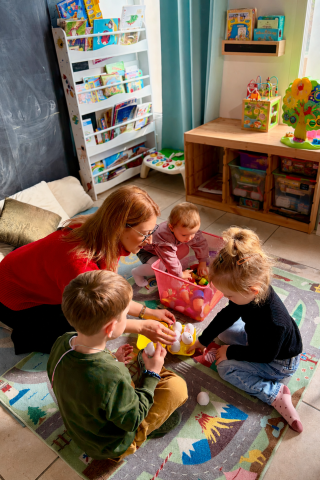
All classes take place in small groups or one-on-one, ensuring every interaction is genuine, personal, and attuned to the child in front of them.
Education isn’t a race
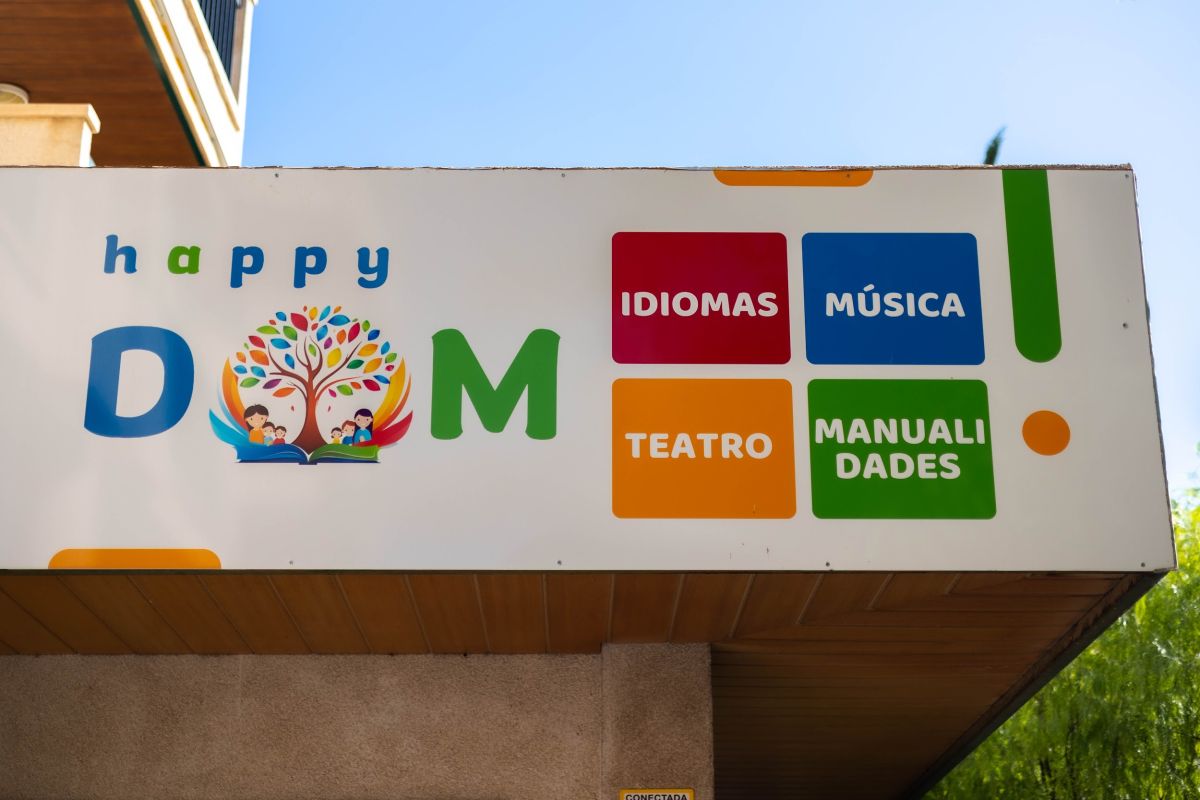
At Happy Dom, there’s no rush for results. The goal isn’t to perform or impress — it’s to create a space where knowledge takes root: steady, meaningful, and free from stress.
This is what builds not just linguistic skill, but emotional flexibility — and with it, the quiet confidence that any language is within reach, so long as the adults nearby see the child not as a project, but as a person.
When learning begins with respect
For too long, education — especially language education — has lived under the logic of control. But today, something else is coming to the forefront: not formats, not programs, not the number of hours — but the quality of relationship between adult and child.
Happy Dom shows what it looks like to teach differently: through presence, respect, and calm. Here, language isn’t a barrier or a task — it’s a new kind of freedom. A way to speak, to understand, and to be understood.
If you believe that learning can be gentle, and multilingualism doesn’t have to be a challenge but a natural extension of identity, then Happy Dom may be more than just a language center — it may be a place of trust.
Trust in the child.
Trust in the process.
Trust in language itself.
Follow Olga Duke’s work and ongoing projects on Instagram: @dukeolgaoleksandrivna