Education
“Do you feel cared for at preschool?”
The question that mattered more than the tears
Starting preschool is rarely a challenge for the child alone. More often, it is something the whole family goes through together — the child and the parents.
Why do some children run happily into their group after just a few days, while others continue to cry in the mornings for much longer? Do tears always mean that the adjustment is going badly? And why can one simple question sometimes tell parents far more than a whole day of observation?
“It was important for me to find a place where the adaptation process was handled gently”
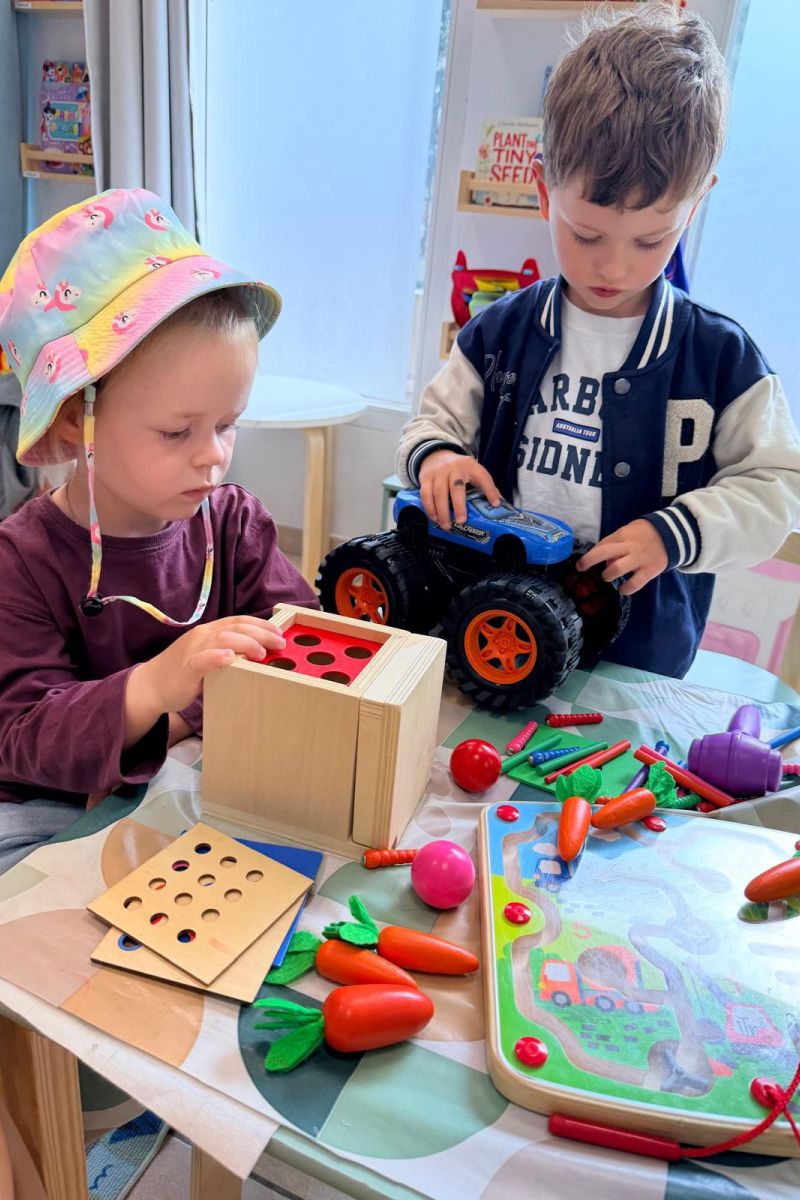
Almost every family taking a child to preschool for the first time goes through similar emotions: worry, fear, guilt and dozens of unanswered questions. It can feel especially difficult when the child has hardly ever been separated from their parents before. That was exactly the case for Ksenia and her son Mark.
For almost four years, they had been practically inseparable. Extended breastfeeding, constant closeness, very little experience of spending time with other children and almost no exposure to another language environment. Ksenia had no doubt that one day her son would be ready for nursery. What worried her most was that this first experience might be too difficult for him.
“After our previous experience, I started looking for a nursery that felt closer to my principles and my views on parenting. I wanted the adaptation to be handled gently, for my child to be understood, and for him to take his first steps in an environment where the language felt familiar. That is how we found Happy Dom.”
Ksenia’s story is one of many. But it clearly shows why more and more parents today are beginning to see adaptation differently. Not as something a child simply has to “get through”, but as an important stage that can shape their future relationship with preschool and with learning.
This is also how Olga Duke, educator and director of Happy Dom, understands the adaptation process.
“We often tell parents that adaptation is not an exam for the child. It is a process in which trust is born. And it is not only the child who goes through it. The whole family does.”
The absence of tears is not the most important sign
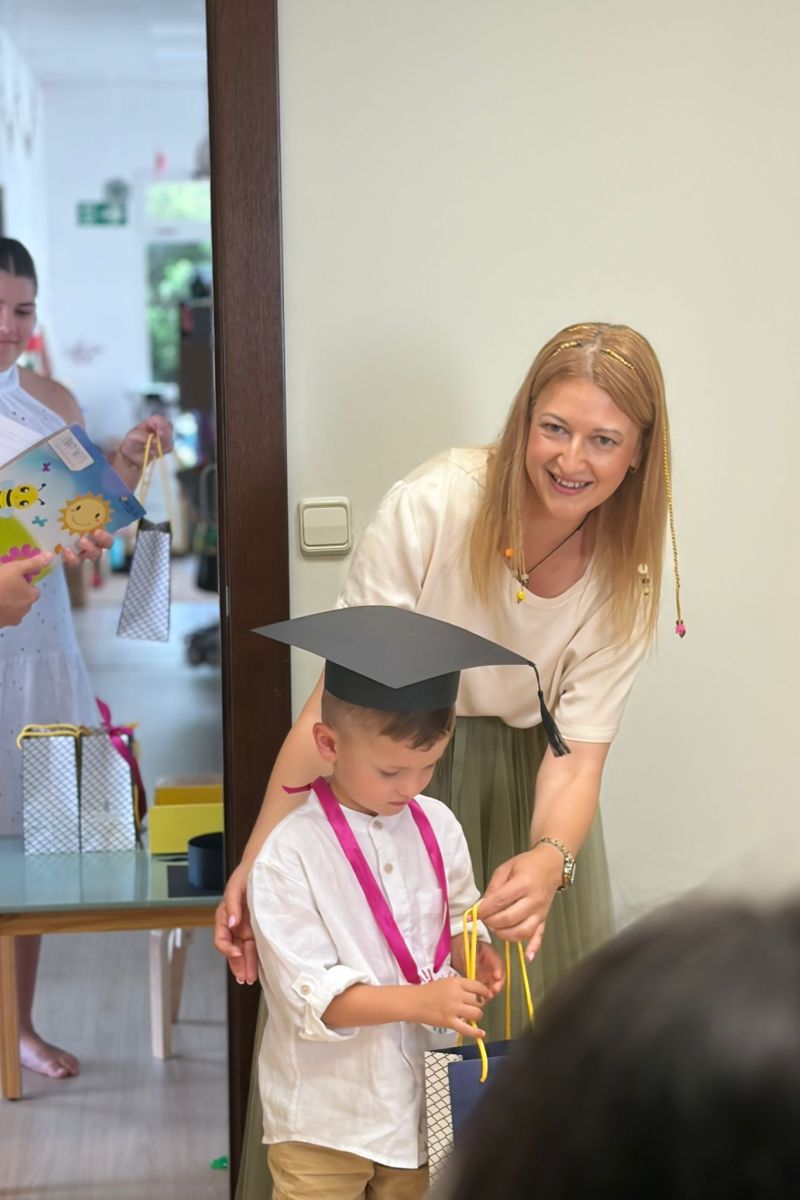
Mark cried too. Like most children during the first few days. But it was at this point that something happened which later completely changed the way Ksenia viewed the adaptation process.
“When I came to pick my son up, he was happy. That was what surprised me most. One day I asked him, ‘Do you feel cared for at preschool?’ And he said, ‘Yes.’ From that moment on, I felt calm.”
At first glance, it is a very simple question. Yet it turned out to matter more than the usual ones: Did you eat? Did you cry? Did anyone upset you? Because it is not really about what happened during the day. It is about how the child feels inside.
According to Olga Duke, children are much better at sensing the atmosphere around them than they are at describing it.
“A child can miss their mother in the morning and still feel completely safe at preschool. That is why we never judge adaptation only by the moment of separation. What matters much more is what happens afterwards: whether the child joins in with play, whether they seek contact with adults, and whether they go home calm and emotionally fulfilled.”
Adaptation is not something only the child goes through
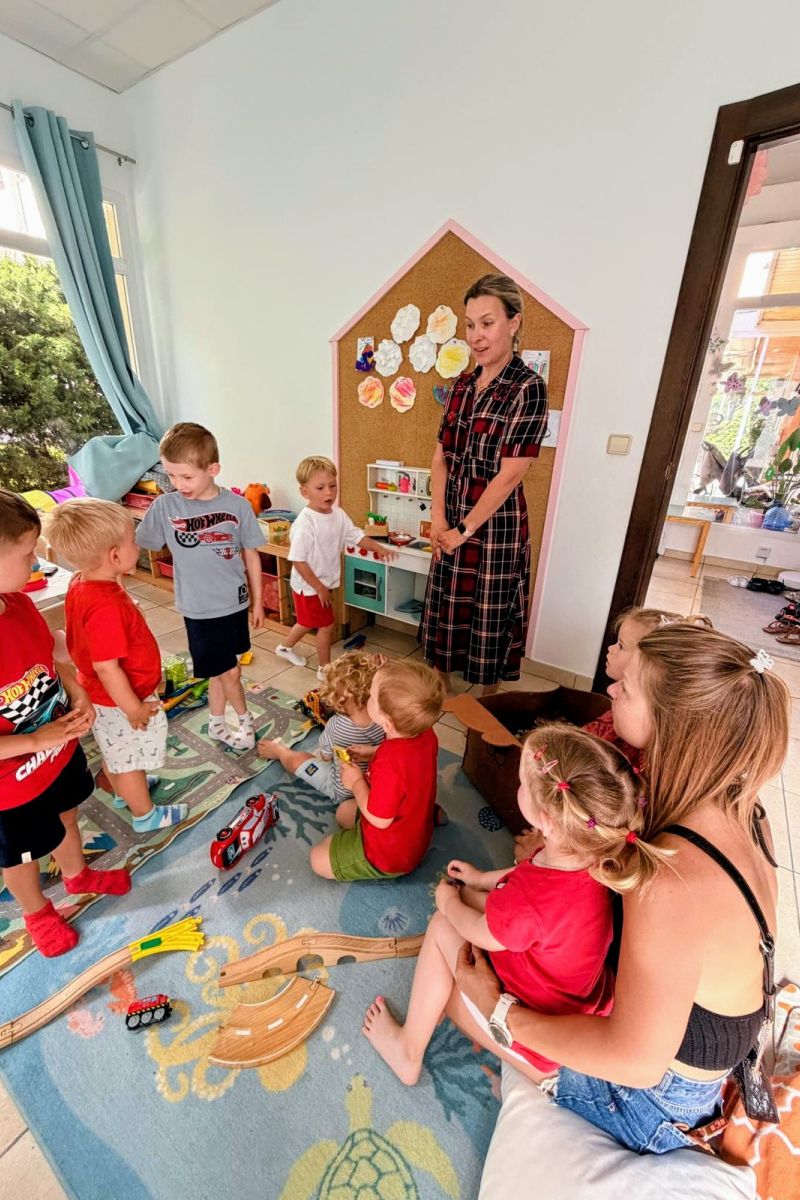
The most unexpected discovery for Ksenia was not about her son at all. It was about herself.
“For four years, I had almost never been apart from Mark. And suddenly, for the first time, I had time for myself. It felt very unusual. Then I unexpectedly realised that preschool was not only something my child needed. I needed it too.”
This is something people rarely talk about openly. Parents often feel guilty if life becomes a little easier once their child starts nursery or preschool. But according to Olga Duke, there is nothing wrong with that.
“When a mother feels calm, the child senses it too. That is why we support not only the children, but also the parents. The emotional state of the family is also part of the adaptation process.”
Not “Leave your child and come back in the evening”
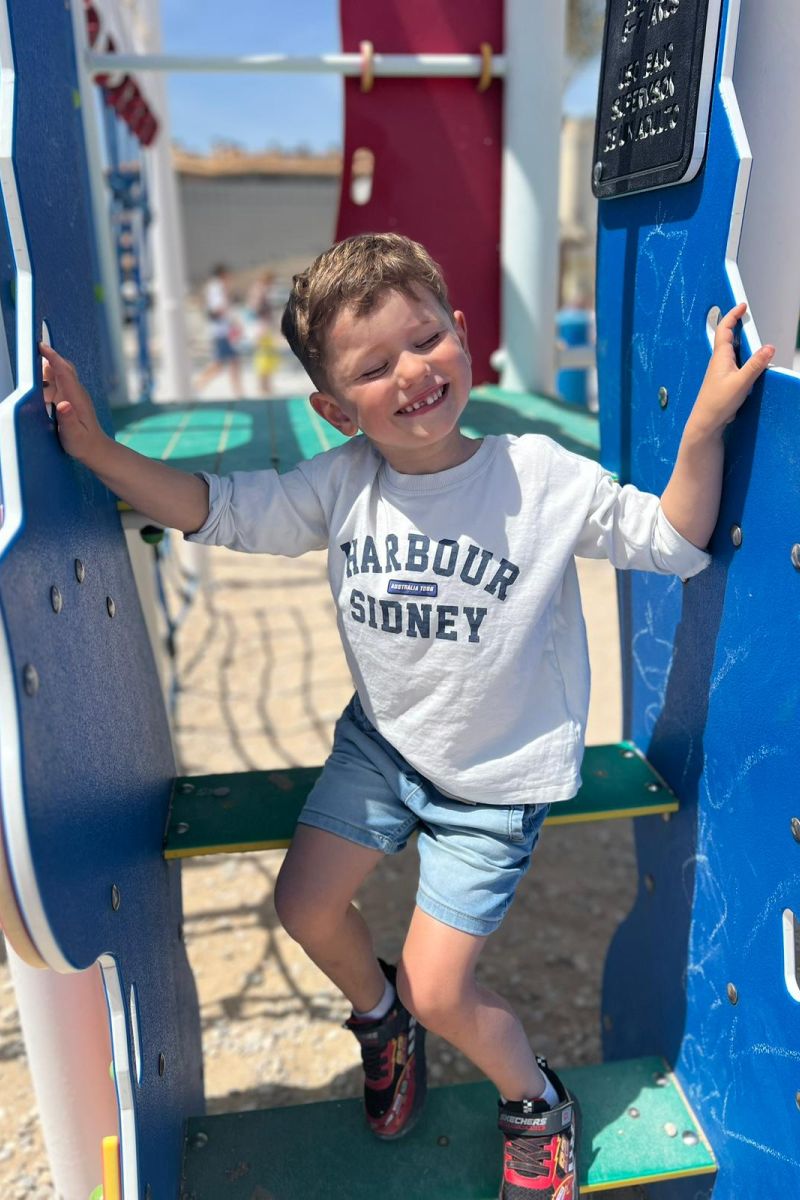
Ksenia explains that before Happy Dom, the family had already had another preschool experience. It was precisely that experience that made her look for a place where adaptation was approached differently.
“We had a brief experience with another preschool before, and it did not go well. As a mother, I felt that there was no thoughtful approach to adaptation there. For my child, it was a double stress: separation from me and a different language that he did not understand. So I started looking for a preschool that was closer to my principles and my views on parenting.”
The next experience was completely different.
“No one told me, ‘Bring your child and come back in the evening.’ Quite the opposite. We discussed the adaptation plan together. Olga understood very quickly what kind of approach would work for Mark. She spoke to him in a way that, within just a few minutes, helped him shift his attention to the teachers, the other children and the activities. And I knew I could leave feeling calm.”
For Olga Duke, the word “together” is the most important one here.
“You cannot build trust if parents are left outside the door not only physically, but emotionally too. That is why we always see adaptation as a joint effort between the family and the educators. We do not say, ‘Now this is our responsibility.’ We say, ‘Let’s go through this together.’”
Why photographs can sometimes tell you more than your child can
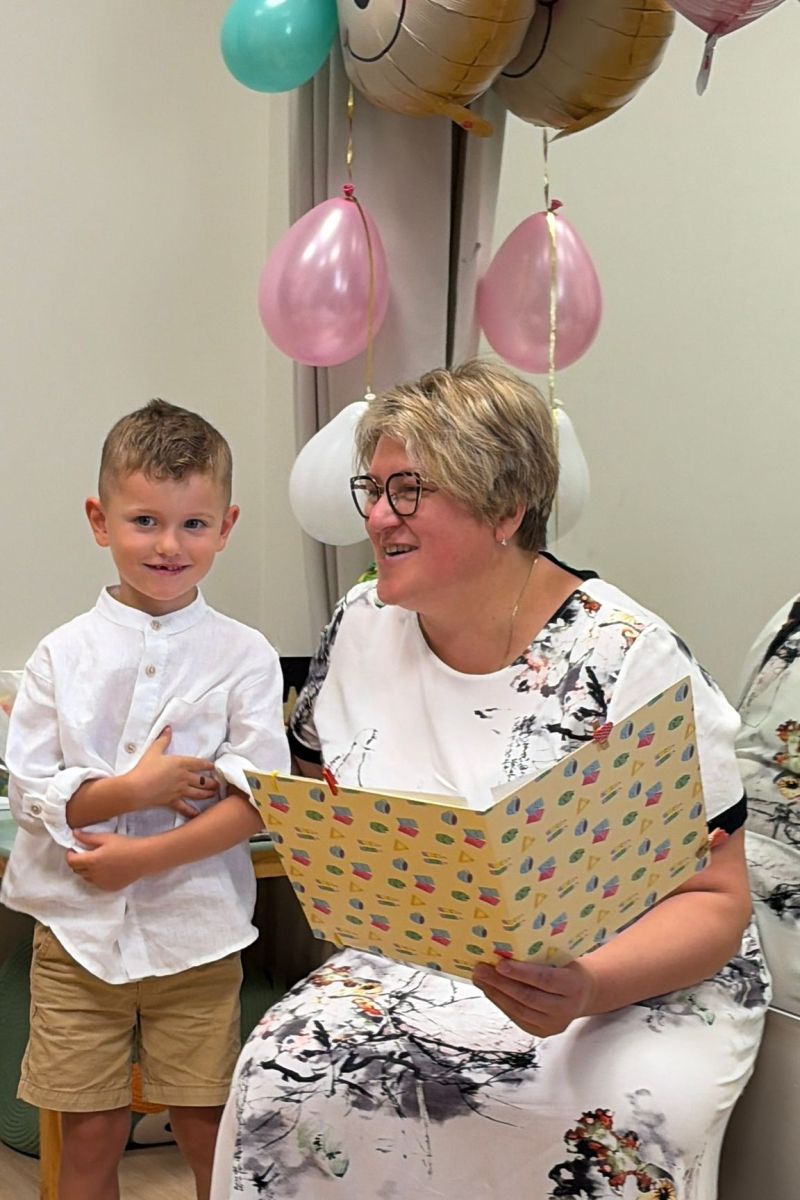
There is one more detail that Ksenia finds especially amusing.
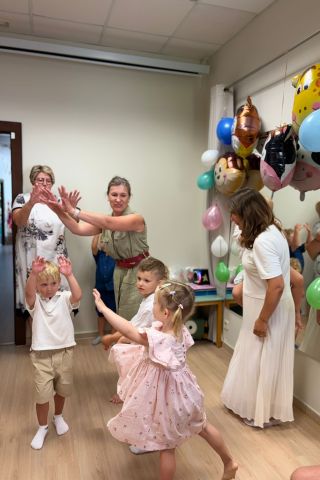
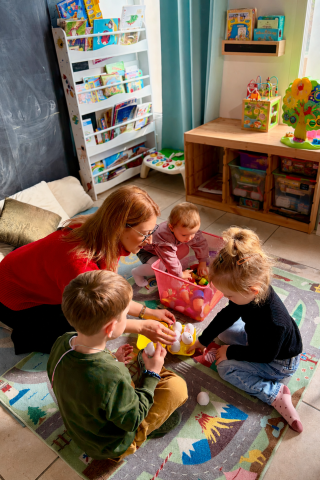
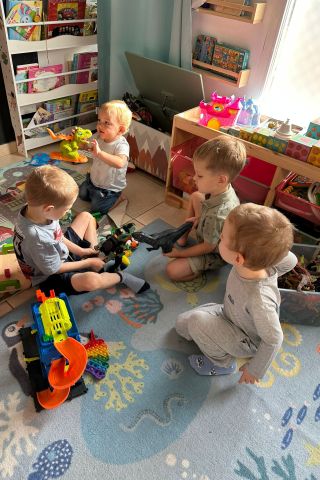
“Every time I ask Mark what he did at preschool, the answer is almost always the same: ‘I played with cars.’ Then I open the photos and see an entire day — walks, creative activities, games, experiments, interaction. I realise just how full his day has been. And how genuinely interested he is in everything happening there.”
Educators know this situation very well. Young children are rarely able to give an adult a detailed account of their whole day. They tend to remember a few vivid moments. That is why regular feedback helps parents not only stay informed about what is happening, but also feel more reassured.
Care. Trust. Kindness
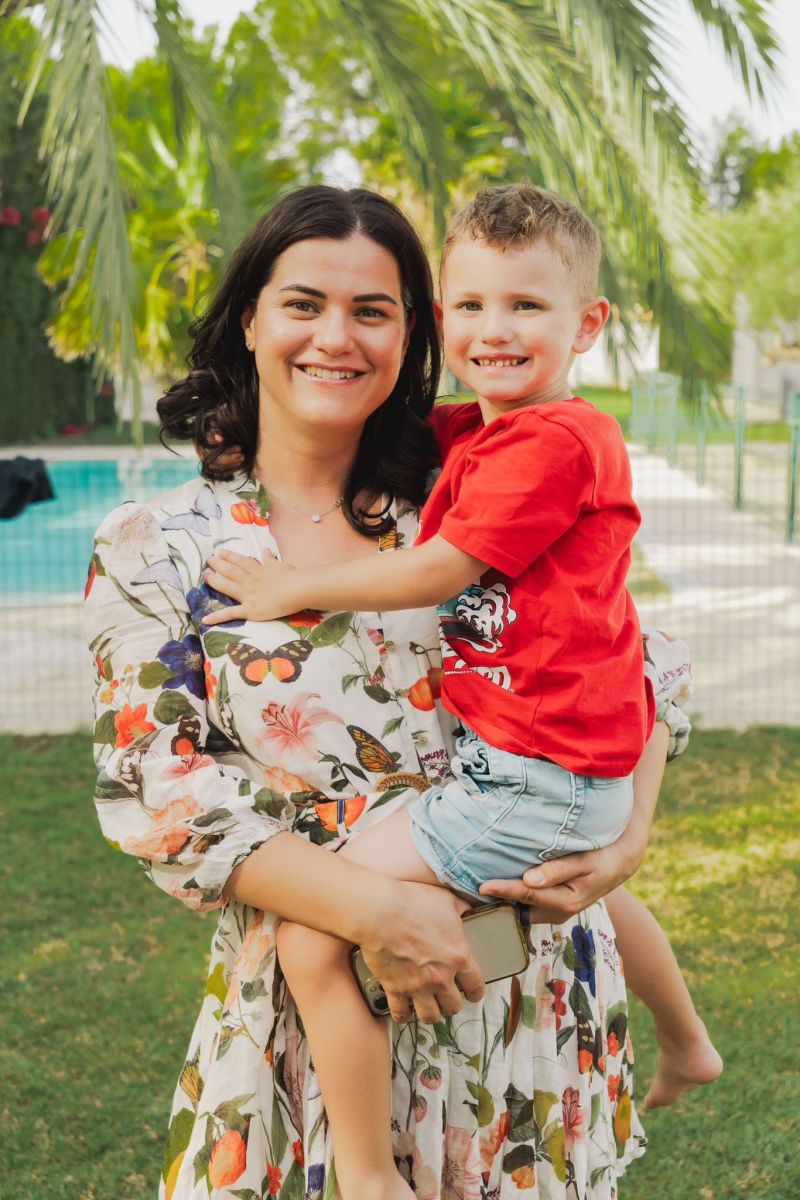
When Ksenia was asked to describe the atmosphere at Happy Dom in three words, she answered almost without hesitation: “Care. Trust. Kindness.”
Perhaps these three words explain better than anything else why every child experiences adaptation differently. Because it is not only about age, methods or the number of days that have passed. It is about whether the child feels that the adults around them are people they can trust.
And perhaps that is why the question Ksenia once asked her son matters more than any adaptation report: “Do you feel cared for at preschool?”
Sometimes one answer is enough to understand that the most important thing has already happened. The child feels safe. And that means they now have the space to play, connect, be curious and truly develop.
If this way of supporting children through their early years and the adaptation process resonates with you, you can find out more about Happy Dom here:
Instagram
WhatsApp: +34 641 91 00 71
And if you’d like to discover more stories from families who are part of Happy Dom, you can read them here.