Education
Bilingualism at Happy DOM: keeping the mother tongue while learning new languages
Parents of children growing up in Spain in a multilingual environment often have many of the same questions: Can a child become confused by several languages? Is it important to maintain the mother tongue? How quickly should Spanish be introduced? When is the right time to add another language? And how can parents tell the difference between an individual pace of language development and a situation where professional advice may be helpful?
Daria Mozharova, educator and language development specialist at Happy DOM, talks about bilingualism, gentle adaptation and why a child’s language development is about much more than vocabulary and correct pronunciation.
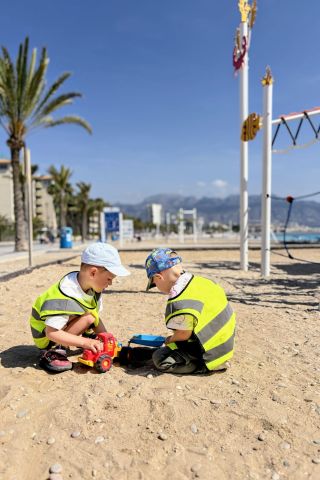
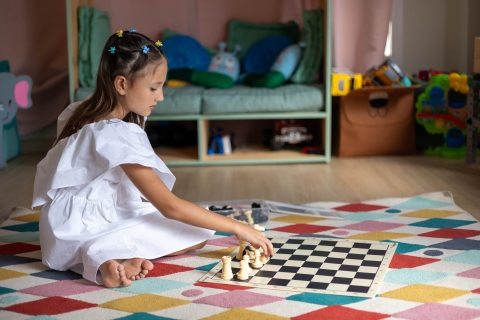
Naming, comparing, explaining, choosing… even a simple game involves a great deal of language development.
Some parents in Spain worry that maintaining a child’s mother tongue at preschool may make it harder for them to learn Spanish or adapt to school later on. How justified is this concern?
In my view, this concern is largely exaggerated. If a child lives in Spain, Spanish will naturally become part of their everyday life through their surroundings, friends, activities and, later on, school. The mother tongue, on the other hand, can gradually become weaker if it is not consciously supported within the family.
Having a strong foundation in a first language does not make learning a second language more difficult. On the contrary, it can provide valuable support. The child already knows how to express ideas, ask questions, build sentences and take part in a conversation. These skills can then be transferred to other languages, such as Spanish, English, French and others.
So rather than counting how many hours a child spends using each language, it is more important to look at the quality of communication, how naturally the language is part of their environment, and how the child feels emotionally.
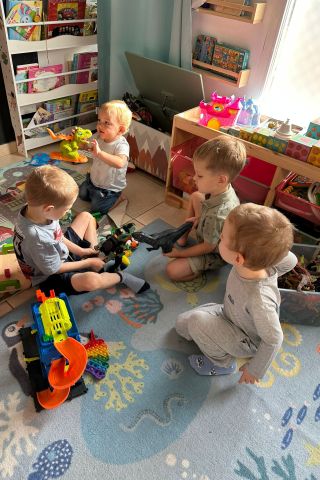
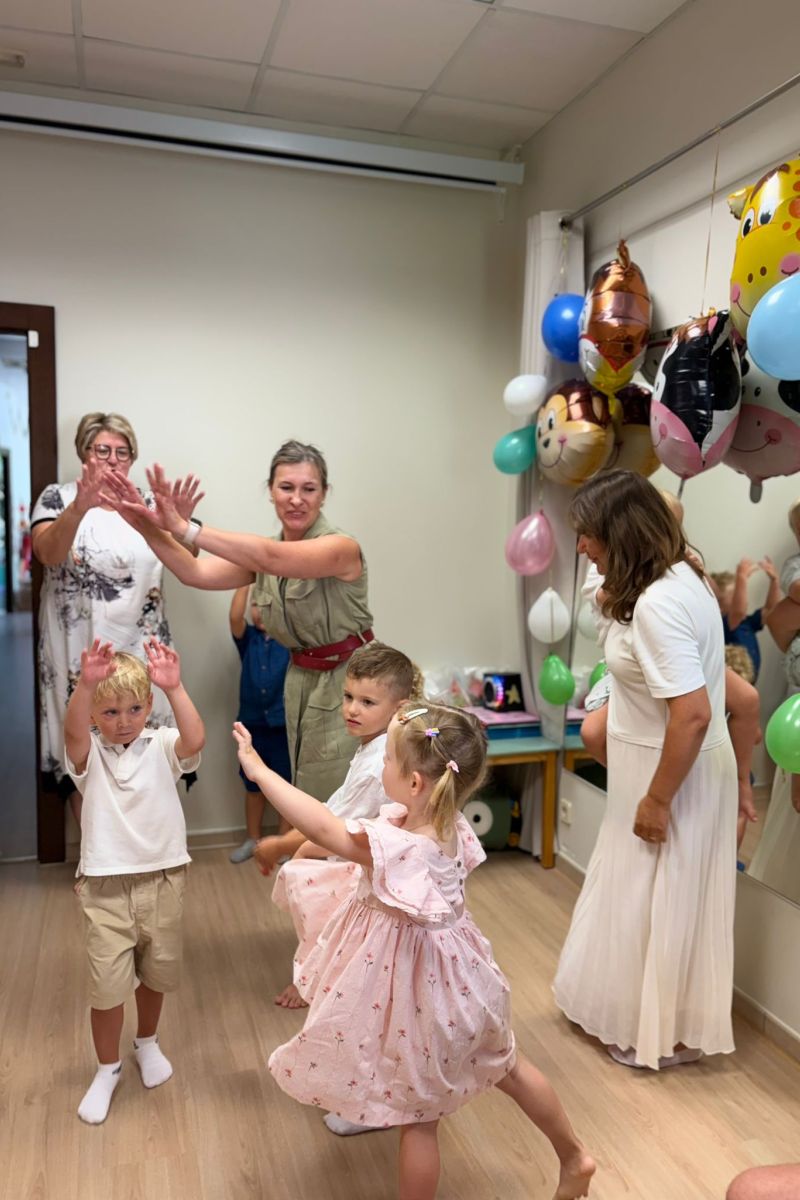
Language development doesn’t happen only during structured activities — it also grows through play, movement, conversation and shared discoveries.
What is the most common mistake parents make when they want to help their child speak sooner, learn better or adapt more easily?
Probably the most common mistake is trying to speed up something that needs time. Constantly correcting every word, asking a child to repeat something “properly”, comparing them with other children or adding more and more activities can turn communication into yet another obligation. Language develops best when a child wants to communicate.
That is why I always favour simple things: talking, reading together, discussing the day, asking genuine questions, playing, singing and joking. The aim is to create situations in which the child naturally wants and needs to use language.
And I would add one more piece of advice for bilingual families: don’t be afraid to maintain your child’s mother tongue. It does not prevent them from learning Spanish or other languages. It is a connection with family and culture, an important part of their identity and, in the future, an additional linguistic resource.
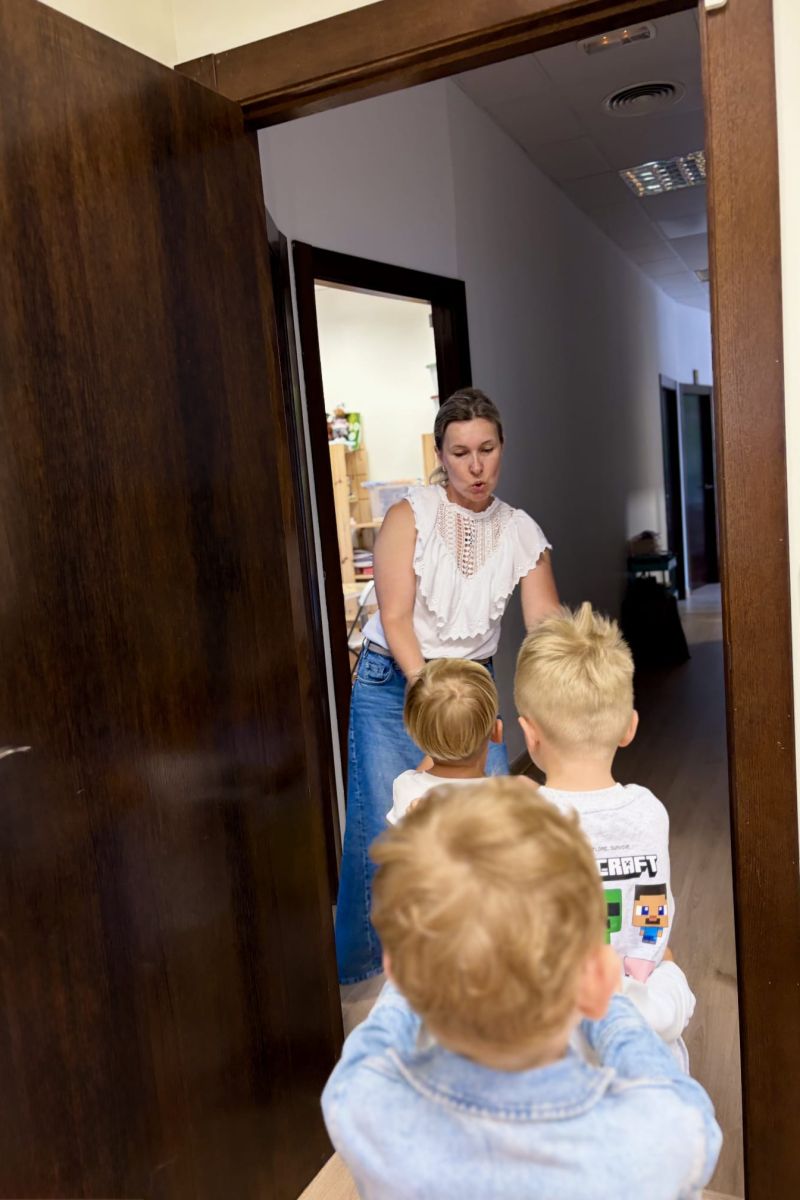
In a group, children learn more than just words: they also learn to listen to others, wait their turn, reach agreements and be part of a shared space.
“They’re just lazy about talking”, “They’ll grow out of it”, “Boys start speaking later”… Where is the line between an individual pace of development and a situation in which it is better to seek professional advice?
Every child develops at their own pace, so some differences are completely natural. But if parents are genuinely concerned about something, I would not recommend waiting for years in the hope that it will simply resolve itself.
It is worth paying attention if a child has difficulty understanding what is being said to them, uses very few words or phrases, rarely tries to communicate, loses skills they had already developed, or shows noticeable difficulties interacting with others.
It is also important to remember that bilingualism itself does not explain every language difficulty. If there are concerns, a professional assessment can help distinguish between an individual developmental pattern and something that may need additional attention.
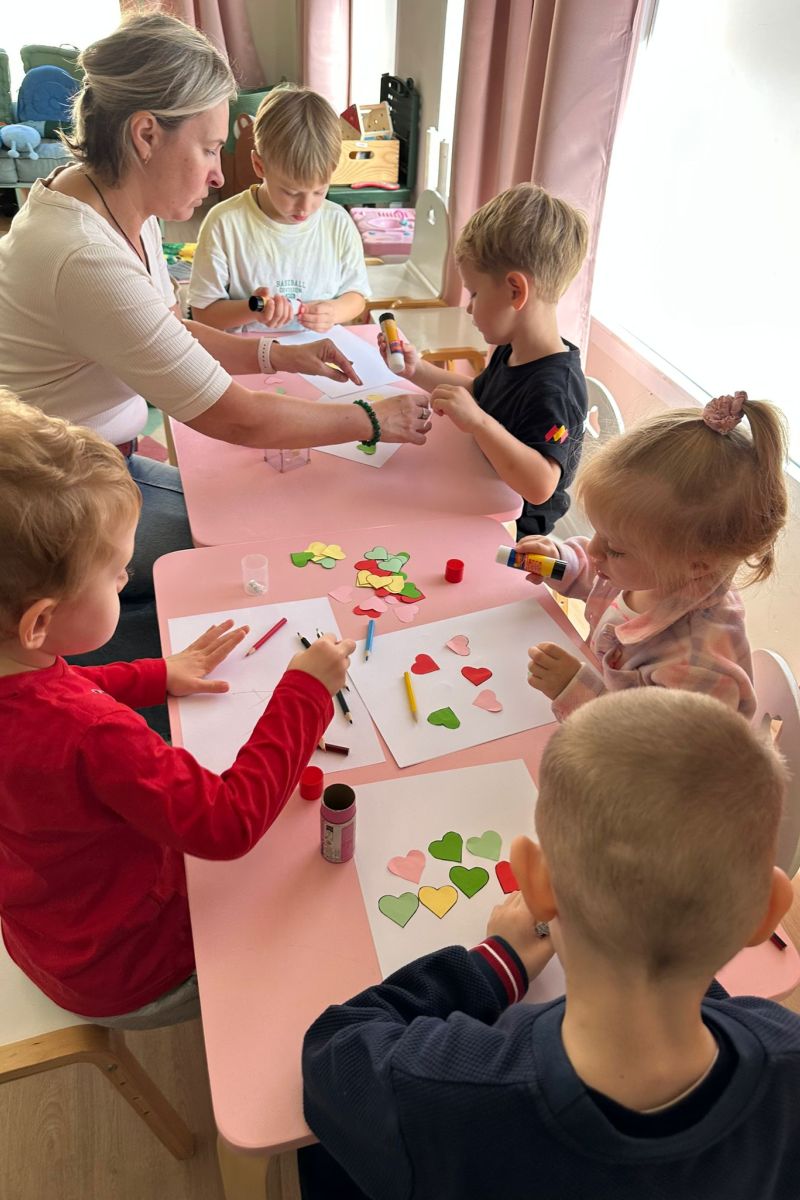
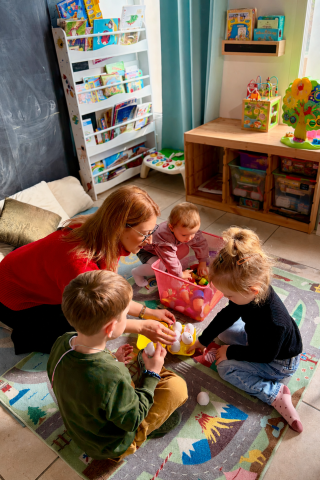
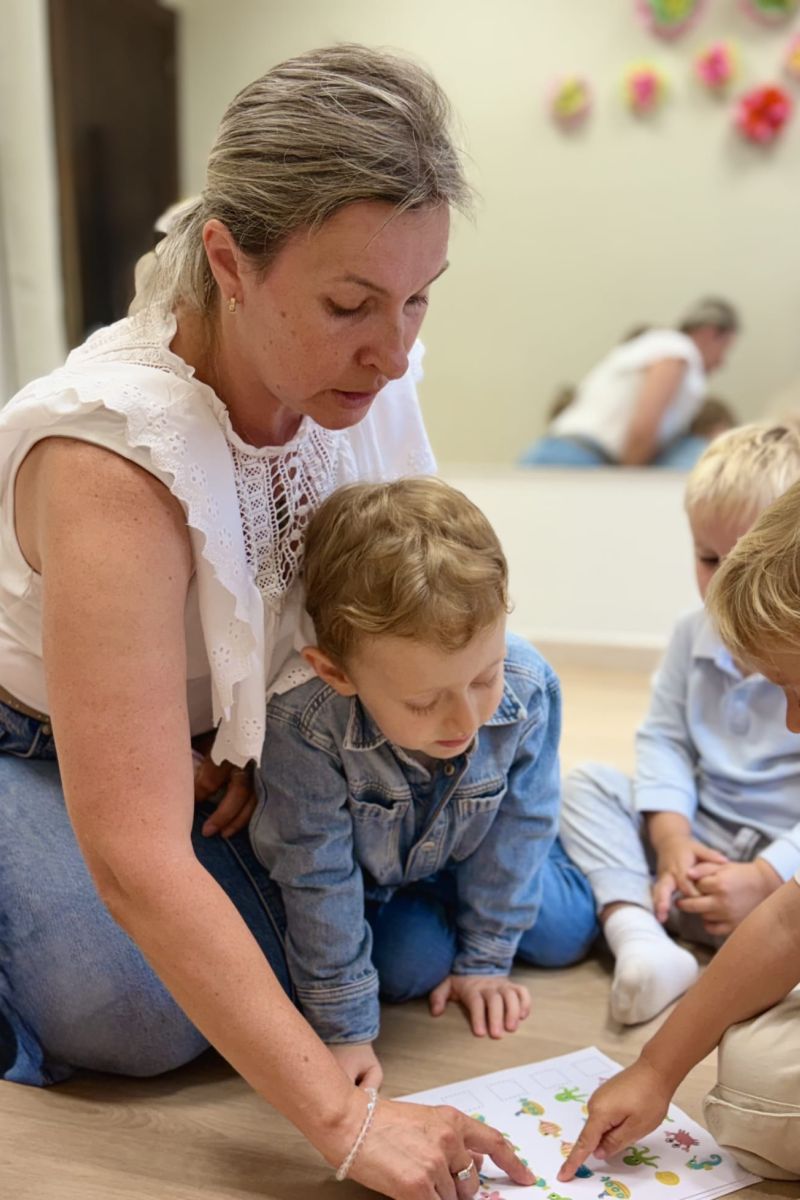
Creativity encourages children to talk about colours, shapes, wishes, ideas and outcomes — without feeling like they’re “in class”.
Many parents think that language development is mainly about correct pronunciation and having a wide vocabulary. What does “well-developed language” actually mean?
It is much broader than that. Well-developed language means being able to understand another person, express an idea, explain what happened, talk about feelings, ask questions and reach agreements with others.
For me, an important sign is when a child uses language not only to name objects, but as a real tool for communication and thinking. They can take part in a conversation, tell a story in a logical sequence, explain why something happened and draw a conclusion.
Of course, pronunciation and vocabulary matter too. But they are only individual elements within a much larger system.
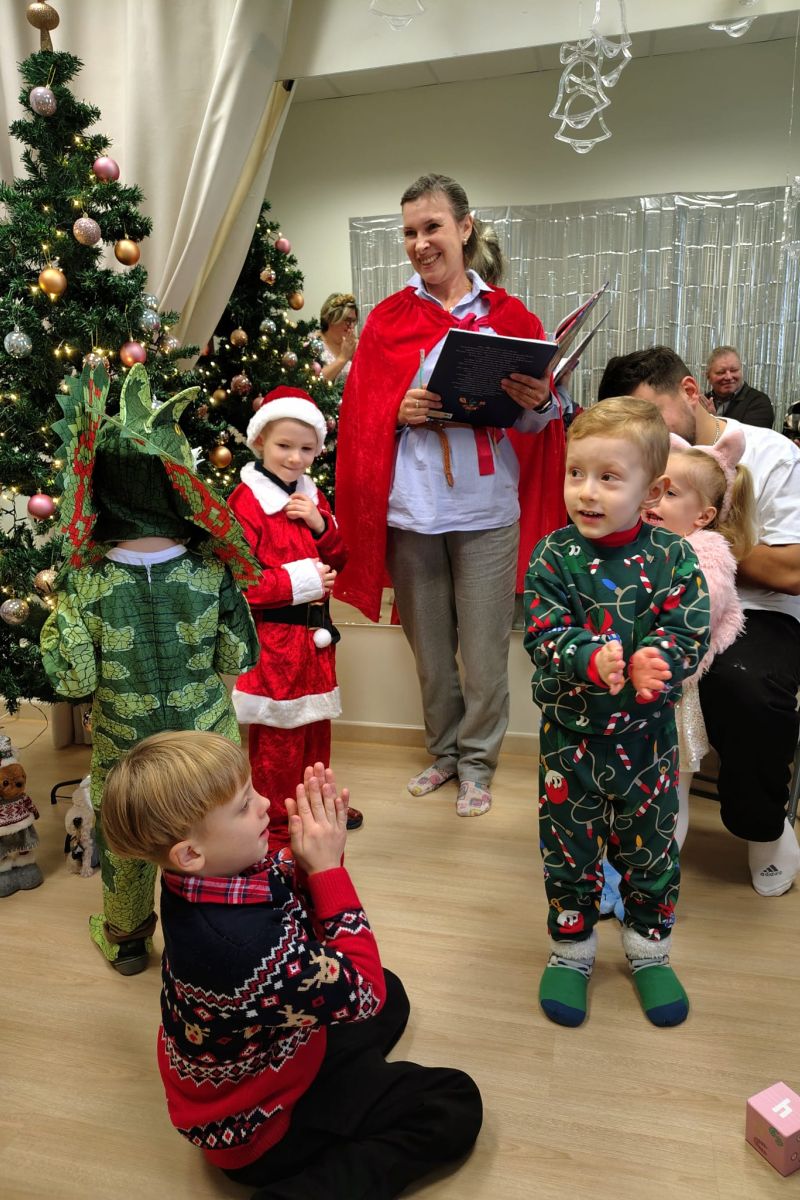
Performances, games and emotionally engaging experiences give children natural opportunities to speak, listen and interact with others.
Can you tell from a child’s language and behaviour that they are feeling emotionally uncomfortable?
Sometimes you can, and it often appears through changes in the way a child communicates. A child who is usually very talkative may become quieter, show less initiative, avoid contact, cry more often or become more irritable.
In bilingual children, verbal activity can also temporarily decrease during periods of intense adaptation. And that does not necessarily mean there is a language problem.
One advantage educators have is that they see the child in the group every day and may notice changes that are not yet obvious at home: the child stops joining in games, interacts less with other children, or suddenly behaves very differently from usual.
But these signs can only be interpreted properly together with the family. That is why ongoing communication between educators and parents is so important.
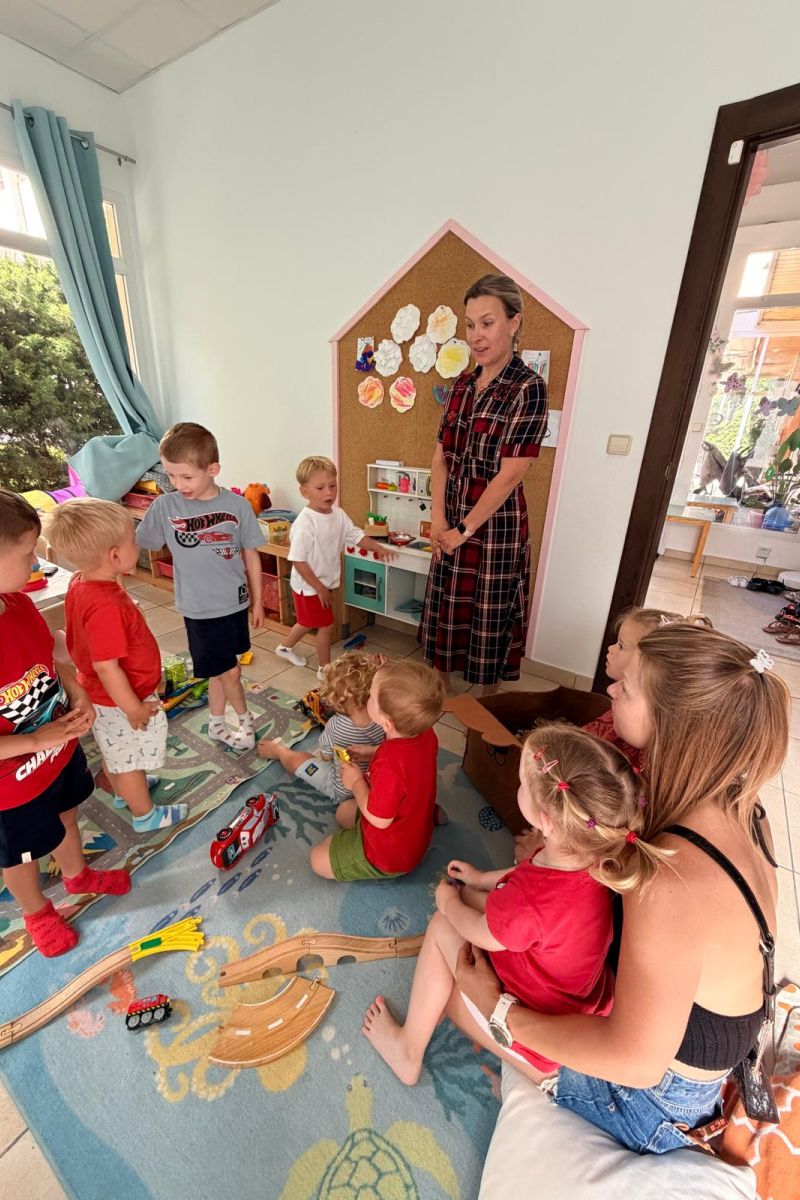
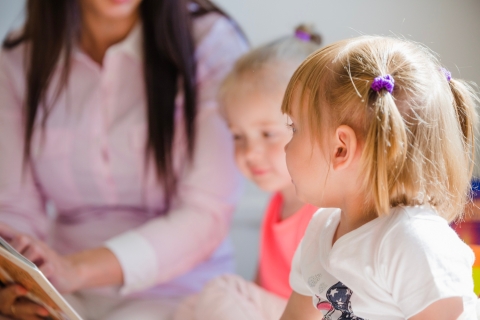
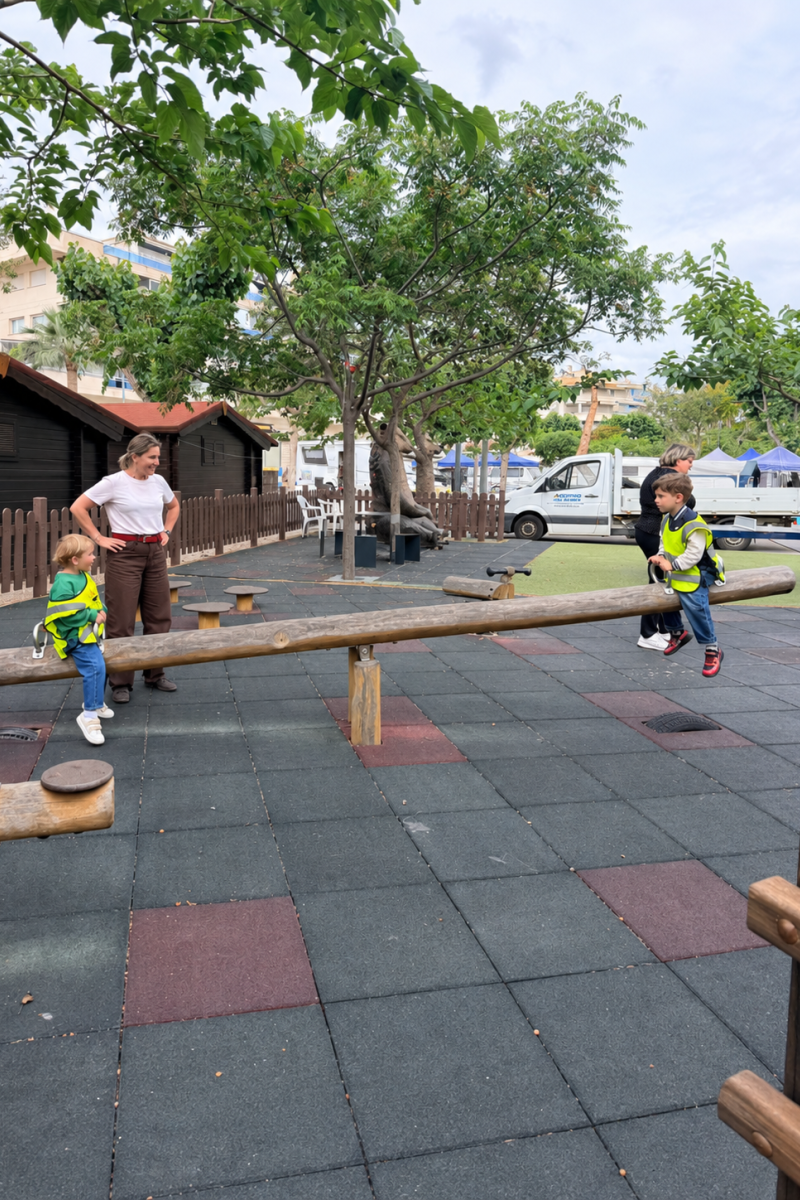
Language develops most naturally when a child needs it to communicate in the moment.
You have worked with bilingual children for many years. What really helps a child learn a second language more easily: early full immersion or a strong foundation in their mother tongue?
I would not put the two in opposition. For me, emotional safety and the child’s desire to communicate always come first.
Language develops through real interaction: play, questions, stories, shared experiences and trust. At the same time, having a strong foundation in the mother tongue can be very helpful. If a child already knows how to understand language, build sentences and express their thoughts, it is easier to develop those same skills in another language.
Full immersion can also work, but only when the child feels comfortable. If the new language environment becomes a constant source of stress, learning no longer happens as naturally. That is why I believe in a gradual approach that respects each child’s individual pace.
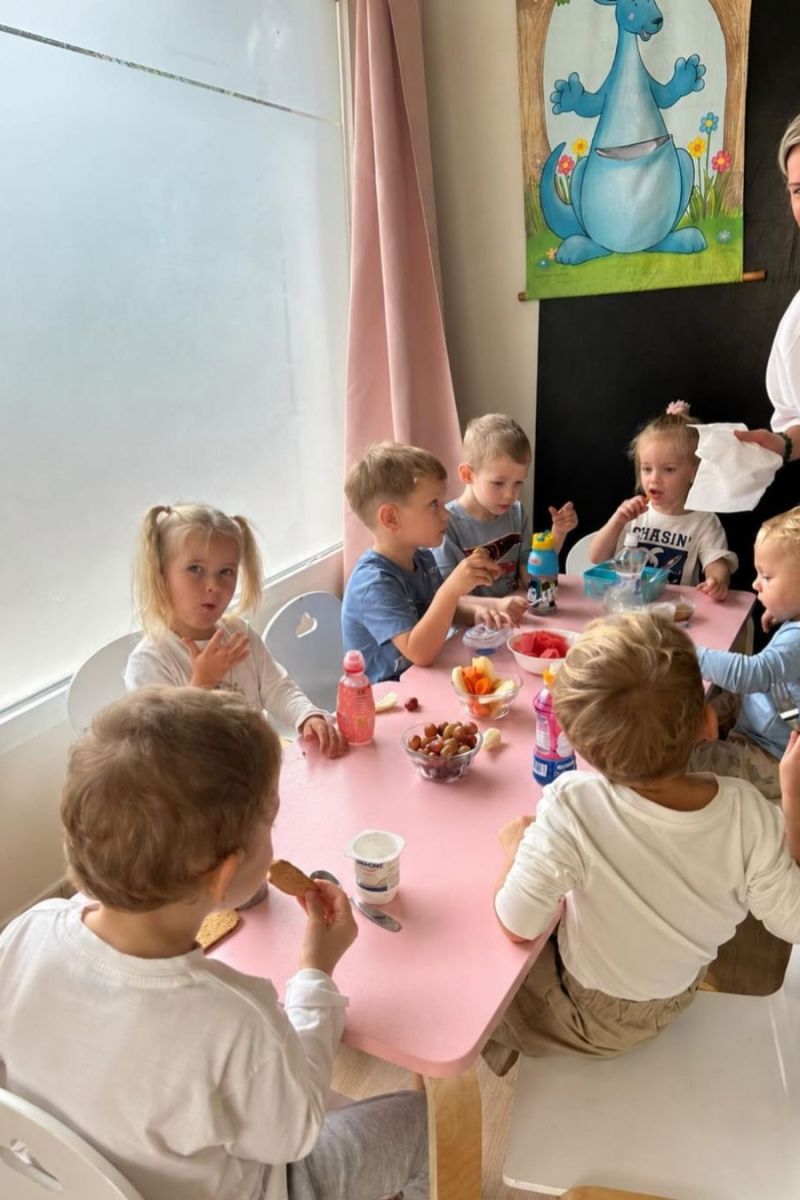
Sharing a table is also a natural opportunity to develop language, social skills and communication.
If you were choosing a preschool for your own child for the first time, what would you look at first?
Definitely not the number of activities or how beautiful the facilities are. I would look at how adults speak to the children. Do they really listen to them? Do they respect their emotions? Is the child allowed to say “I don’t want to”, ask a question or take the initiative?
It is also very important to me that children have enough time for free play, movement, interaction and making discoveries for themselves. A preschool is not simply a place where a child is taught things. It is a significant part of their everyday life.
For me, a good preschool is a place where a child feels calm and knows that they are accepted, listened to and respected.
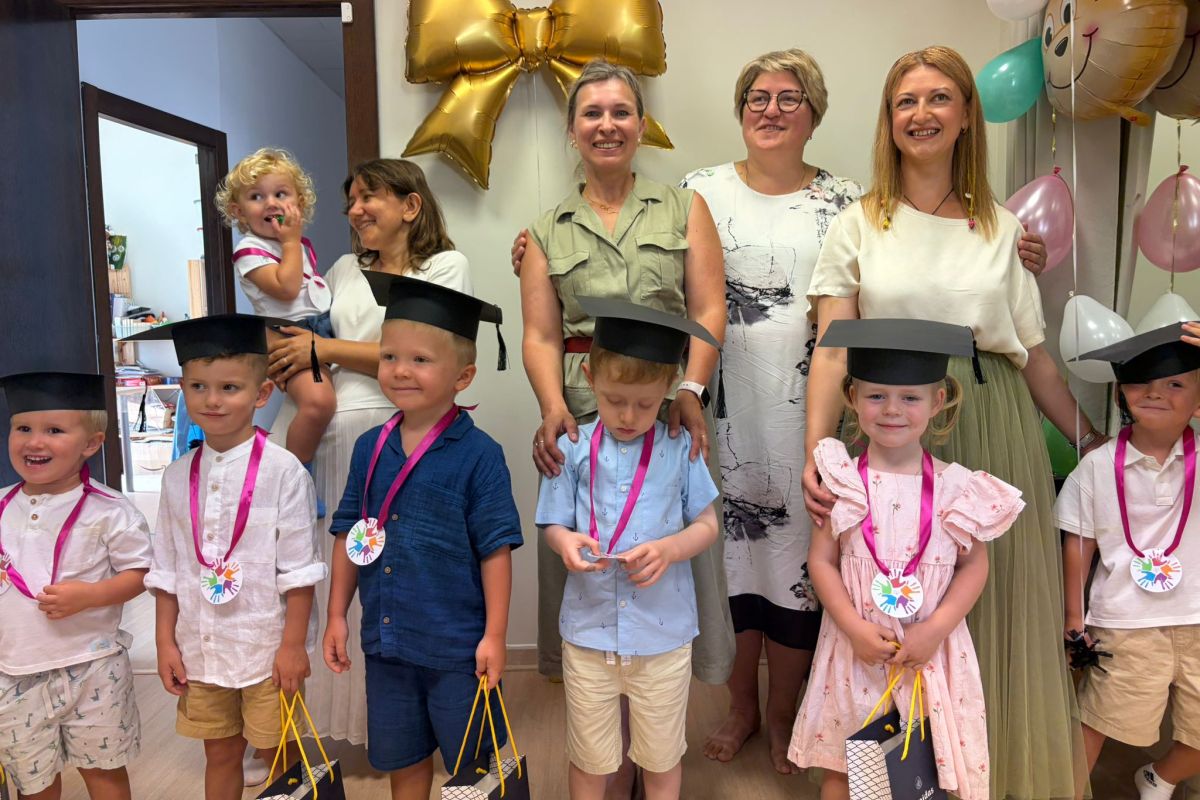
Happy DOM is a team. Behind our multilingual environment are adults who help children stay connected to their roots while opening up to new experiences with confidence.
At Happy DOM, we do not see maintaining a child’s mother tongue and successful integration as two opposing goals. On the contrary, we create a multilingual environment where children can stay connected to their language and culture while naturally opening up to new ones. Because bilingualism is not an obstacle, but a resource that can help children learn other languages with greater confidence and feel more at ease in a multilingual world.
If this approach resonates with you, we would be happy to meet you and tell you more about Happy DOM.
С/ Narciso Yepes, 4, local 1, 03581 Albir, +34 641 91 00 71 (Olga Duke)
Instagram: @albirhappydom